Protect Access
and Occupancy
Identify entrances, residents, tenants, customers, pedestrian routes, parking, structures, and other site conditions that can affect how underground work is accessed.


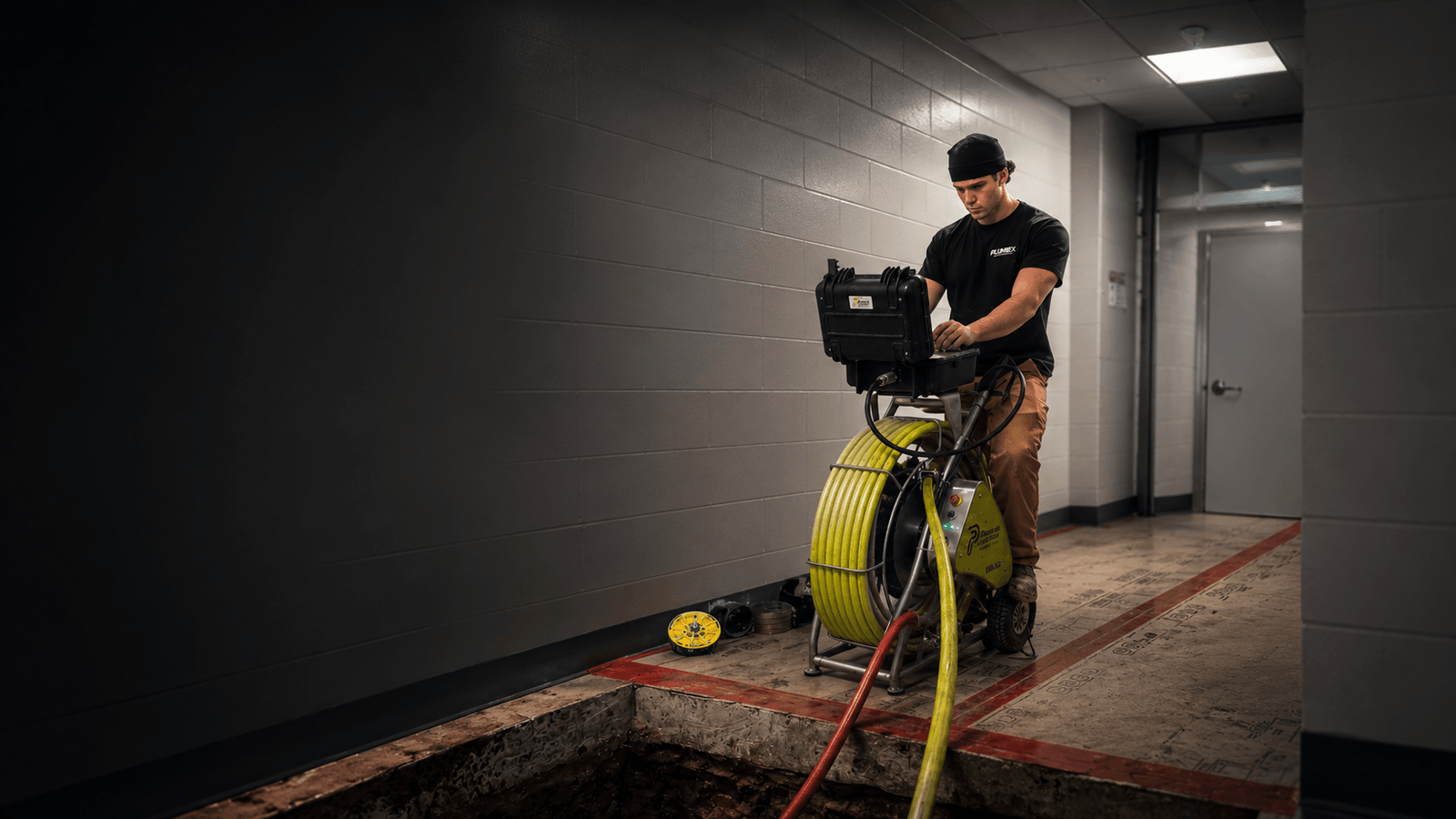
TrenchX supports residential, managed, commercial, institutional, and public-sector properties with inspection-led underground pipe solutions built around the system, the site, and the people using the property above it.
The same underground pipe problem can create very different project requirements depending on where it occurs. A sewer defect beneath a residential yard does not create the same access concerns as one beneath a retail entrance, occupied apartment community, healthcare property, school campus, or controlled facility.
Therefore, TrenchX considers both sides of the project. First, sewer inspections and condition assessment help define what is happening inside the pipe. Then, hydro-jetting and pipeline cleaning, CIPP lining, pipe bursting, or another qualifying method can be evaluated against the condition of the system.
At the same time, access points, occupants, parking, landscaping, pedestrian areas, operating schedules, equipment movement, and surrounding structures help shape how the work should be planned. That combination allows TrenchX to approach different industries without treating every underground system like the same project.
See How TrenchX Approaches the WorkCommercial properties rarely have the luxury of ignoring what is happening above the pipe. Customers, residents, tenants, vehicles, employees, equipment, and normal business activity all affect how underground work should be coordinated.

Evaluate sewer and storm systems across occupied and managed properties with inspection, cleaning, preventive planning, CIPP lining, and other qualifying trenchless repair methods.
Explore Property Management →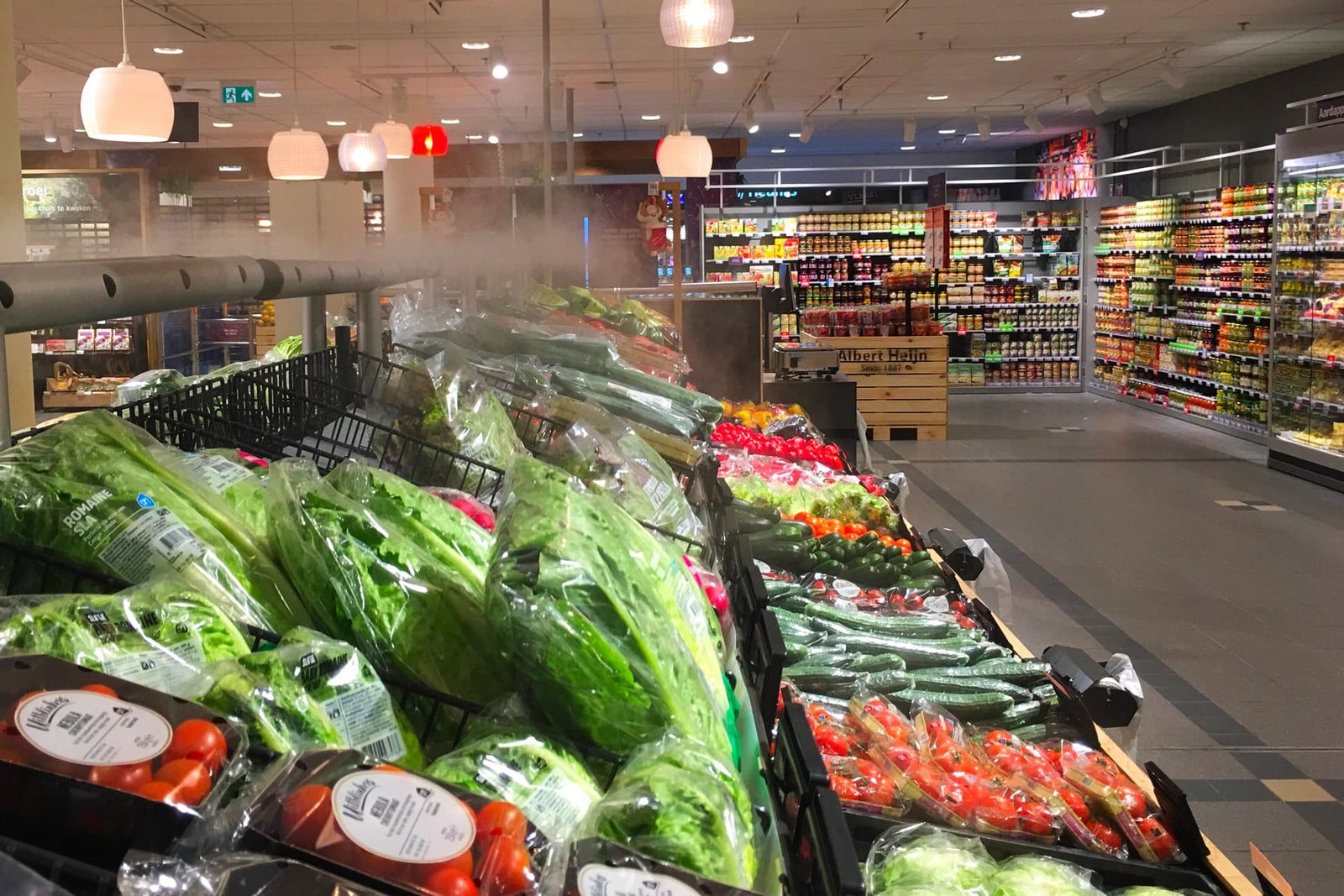
Address qualifying sewer laterals and storm lines while planning around pumps, parking, customer access, traffic, and the daily operation of the property.
Explore Convenience Stores →
Manage grease-prone and high-use drainage with hydro-jetting, camera inspection, maintenance planning, and qualifying rehabilitation methods built around operating conditions.
Explore Food & Beverage →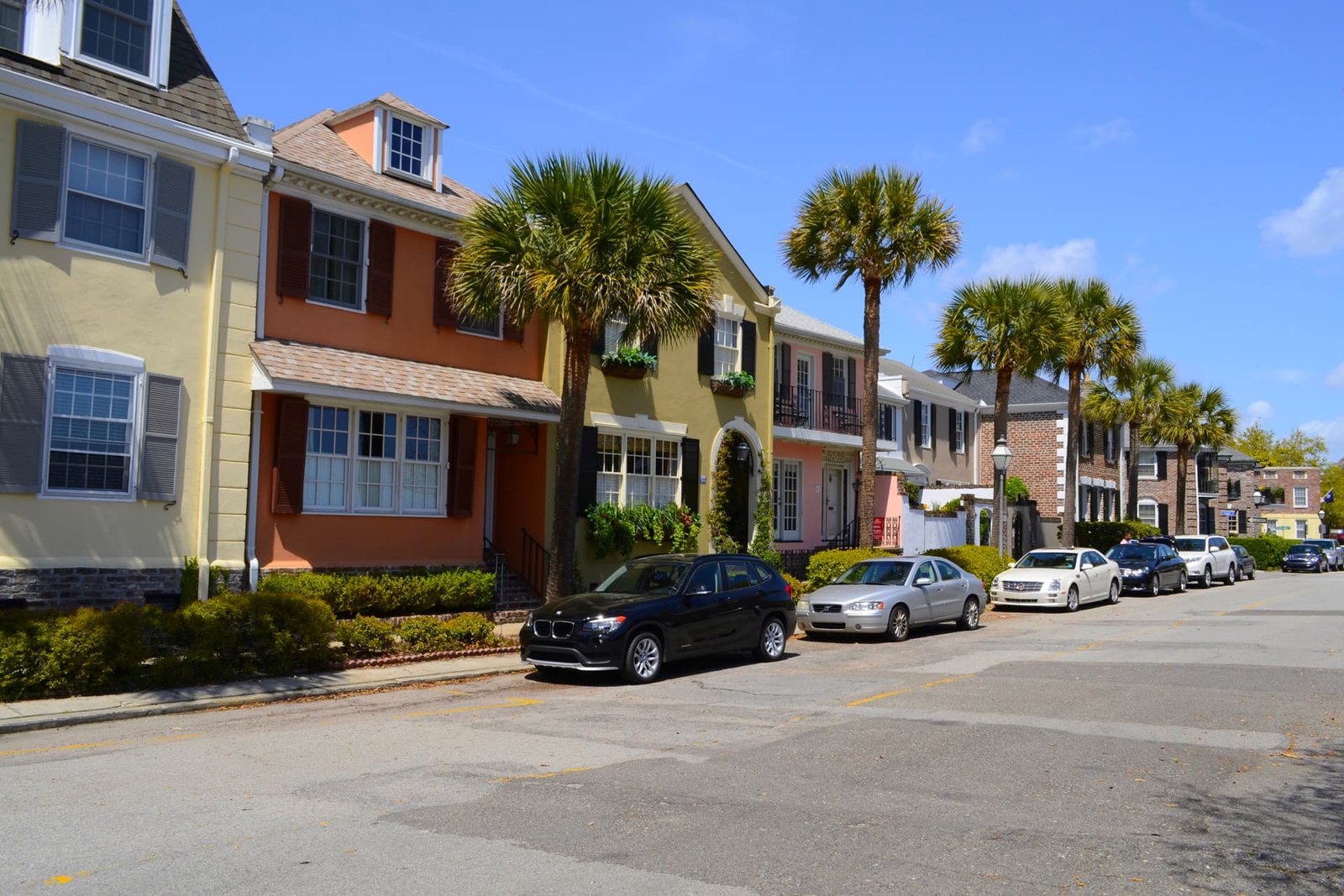
Evaluate shared sewer laterals and storm systems serving apartments, condominiums, and multi-unit properties while planning work around residents and common areas.
Explore Multi-Residential →
Inspect and rehabilitate underground lines around storefronts, slabs, parking, and customer access with methods selected to reduce unnecessary surface disruption.
Explore Retail →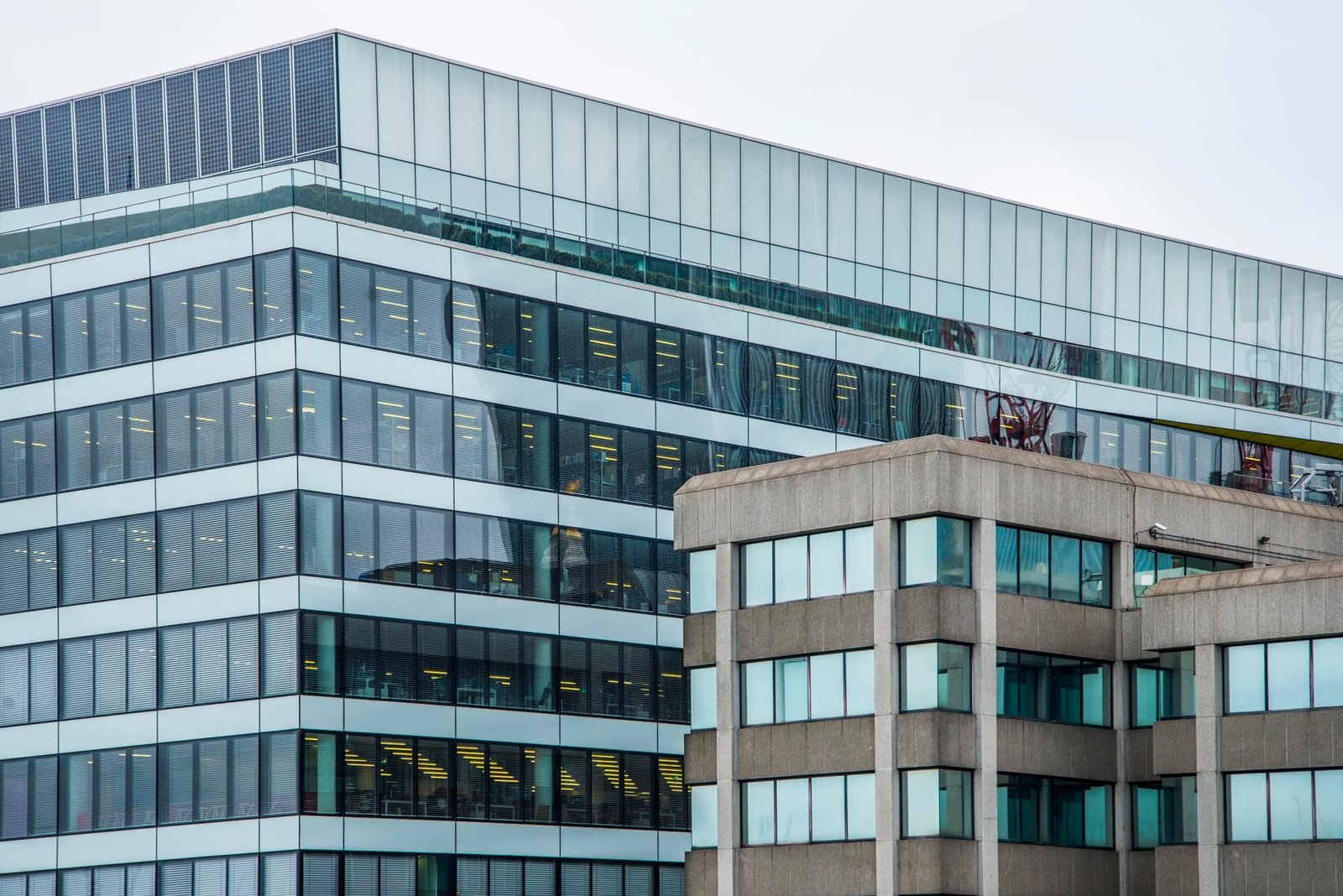
Plan sewer and storm work around tenants, building access, parking, and business hours using inspection-led cleaning, maintenance, and trenchless rehabilitation.
Explore Office Buildings →Larger campuses and facilities can introduce longer pipe networks, more access considerations, broader operating requirements, and additional coordination. TrenchX evaluates the underground condition alongside those property constraints before a project scope moves forward.
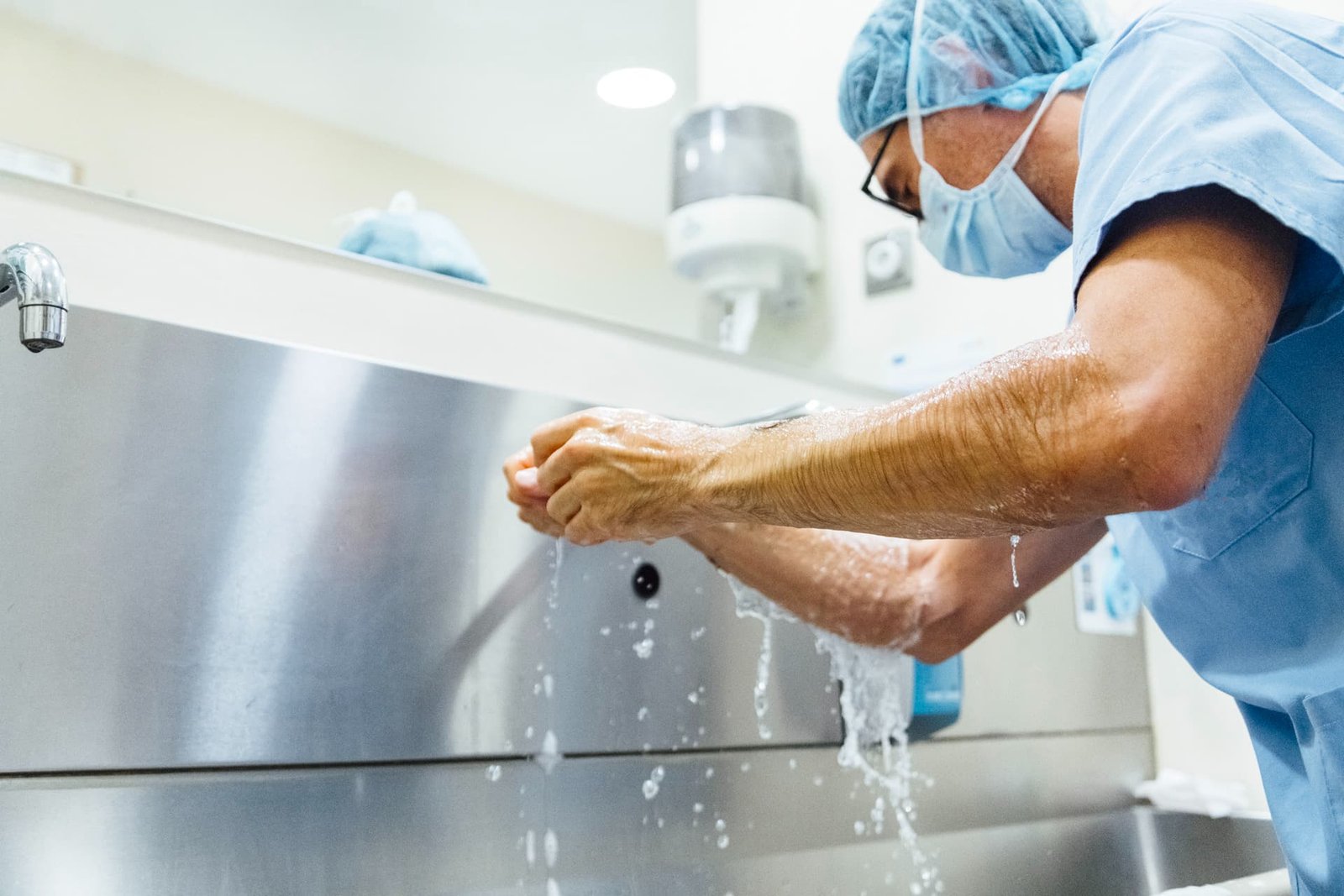
Support qualifying healthcare pipe systems with inspection, cleaning, leak detection, planned maintenance, and rehabilitation while accounting for access and facility operations.
Explore Hospitals →
Assess and rehabilitate sewer and storm infrastructure across schools, colleges, and campuses with planning around buildings, pedestrian areas, schedules, and complex site layouts.
Explore Education →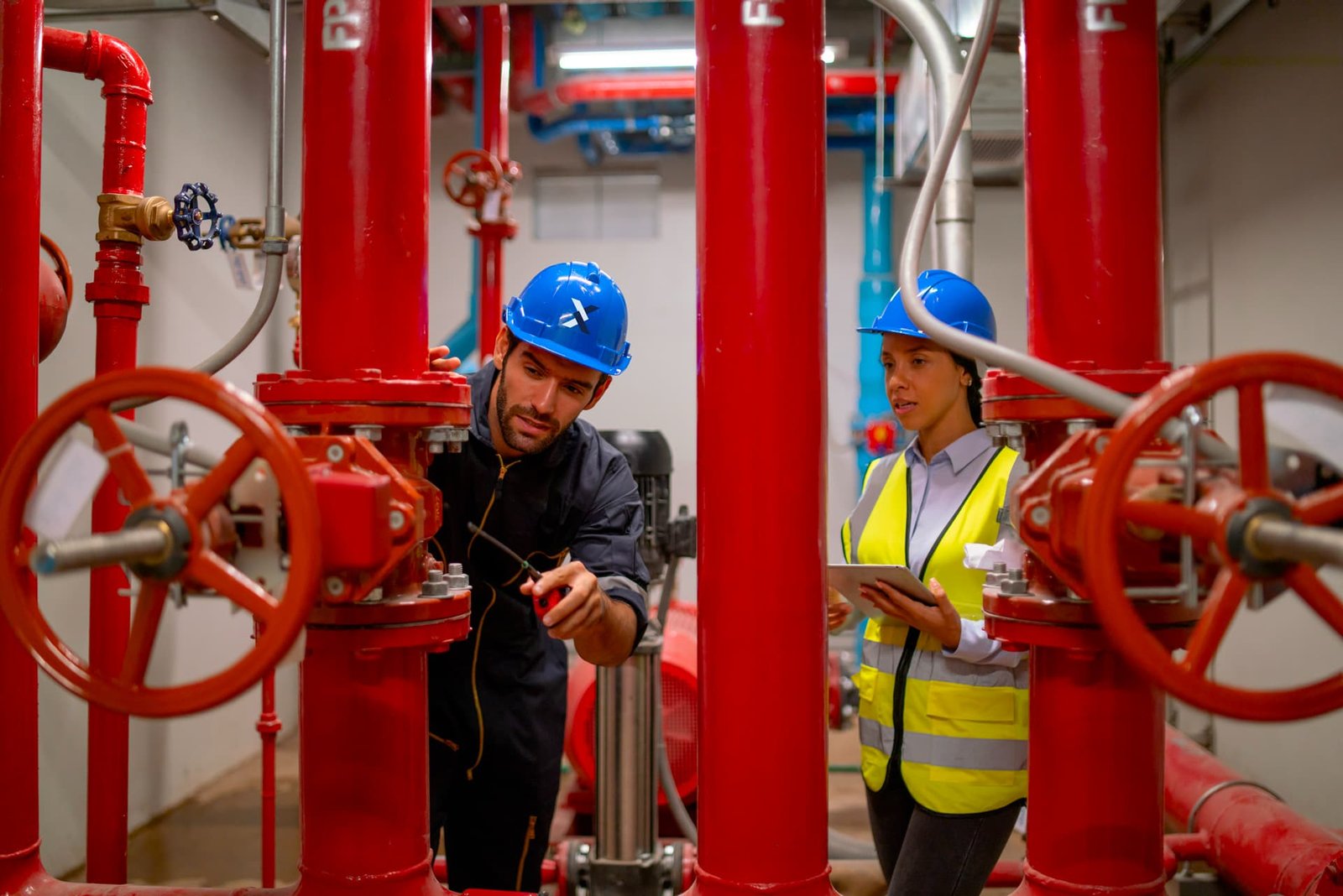
Manage sewer, storm, manhole, and underground pipe conditions across active facilities with inspection, maintenance, rehabilitation, and long-term infrastructure planning.
Explore Facilities →
Evaluate qualifying underground systems with inspection, maintenance, rehabilitation, HDD, and project planning shaped around site access and facility requirements.
Explore Defense →Identify entrances, residents, tenants, customers, pedestrian routes, parking, structures, and other site conditions that can affect how underground work is accessed.
Consider operating hours, schedules, occupied spaces, equipment movement, shared infrastructure, and other factors that may shape the field plan.
Combine the documented pipe condition with access and property constraints before selecting cleaning, localized repair, rehabilitation, drilling, or replacement.
Industry type helps shape project planning, but it does not determine the repair method by itself. TrenchX uses pipe condition, access, material, diameter, configuration, and project requirements to determine which solutions are realistic candidates.
Document visible defects, restrictions, alignment, and pipe conditions before defining a repair or maintenance scope.
Explore Service → 02Remove qualifying buildup, sediment, grease, debris, and restrictions while preparing the host pipe for further evaluation.
Explore Service → 03Rehabilitate qualifying damaged pipe from within while reducing the need for continuous excavation along the existing alignment.
Explore Service → 04Replace qualifying deteriorated pipe along its established route when rehabilitation is not the right fit for the existing system.
Explore Service → 05Use planned inspection, cleaning, and condition monitoring to help property teams identify developing issues earlier.
Explore Service → 06Narrow qualifying leakage concerns and focus corrective work around the affected portion of an underground system.
Explore Service →Underground infrastructure does not exist in isolation. The pipe may run beneath a driveway, occupied building, parking area, commercial floor, campus walkway, landscaped property, or active facility. Those conditions can be just as important to project planning as the defect inside the line.
TrenchX combines inspection data with practical site information before field work begins. That means considering access points, pipe alignment, equipment placement, surface improvements, normal property use, and any operating constraints that affect how the project can move forward.
The result is an inspection-led approach that connects the underground repair with the real environment around it rather than selecting a method from the industry name alone.
Explore TrenchX Client ExperienceTrenchX supports qualifying properties across Charleston and surrounding South Carolina Lowcountry communities. Local service-area pages connect regional pipe conditions with property types, access considerations, and relevant trenchless capabilities.
Trenchless planning around residential, commercial, historic, institutional, and high-use developed properties.
Explore Charleston → Charleston RegionUnderground pipe services around commercial, multi-residential, institutional, industrial, and active properties.
Explore North Charleston → Charleston CountyPipe repair planning around homes, managed properties, commercial sites, pavement, and landscaped areas.
Explore Mount Pleasant → Dorchester RegionInspection and rehabilitation across growing residential, multi-unit, commercial, and managed properties.
Explore Summerville → Charleston AreaUnderground pipe assessment around established homes, businesses, occupied properties, and developed sites.
Explore West Ashley → Full Coverage DirectoryReview TrenchX county and community coverage throughout Charleston and the surrounding South Carolina Lowcountry.
Explore All Locations →TrenchX works around organizations, institutions, commercial properties, managed environments, and active facilities where underground infrastructure has to be addressed while accounting for access, occupants, scheduling, equipment movement, and the normal use of the property above it.






TrenchX supports qualifying underground systems across residential, commercial, managed, institutional, healthcare, educational, facility, and other property environments.
However, industry type does not determine the repair method by itself. Pipe material, diameter, structural condition, access, restrictions, alignment, and the extent of deterioration all help determine which trenchless solutions may fit the project.
Property conditions also matter. Occupancy, customer access, operating schedules, parking, pedestrian areas, landscaping, and other improvements can influence how the work is coordinated.
TrenchX supports qualifying residential, property-management, multi-residential, convenience-store, food-and-beverage, retail, office, healthcare, education, public and private facility, and defense property environments.
Yes. Residential properties are part of the TrenchX industry network. Inspection can help determine whether a home sewer or underground pipe system is a candidate for cleaning, localized repair, lining, trenchless replacement, or another corrective approach.
Property type can affect access, occupancy, operating schedules, parking, equipment placement, pedestrian routes, landscaping, surface improvements, and other field conditions. Those factors are considered alongside the condition of the underground pipe when the project is planned.
Depending on the system, TrenchX may evaluate sewer inspection, hydro-jetting and cleaning, preventive maintenance, leak detection, CIPP lining, localized rehabilitation, pipe bursting, manhole rehabilitation, HDD, or other qualifying solutions. The pipe condition determines which methods are appropriate.
TrenchX considers occupants, access points, operating conditions, equipment movement, and the surrounding property when developing the field plan. The exact approach depends on the underground system and the specific requirements of the site.
TrenchX serves qualifying projects across Charleston and surrounding South Carolina Lowcountry communities. The TrenchX service-area directory provides county and community coverage information.