Utility Crossings
Plan qualifying installations beneath roads, drives, utilities, and other developed features where continuous excavation would create unnecessary disruption.


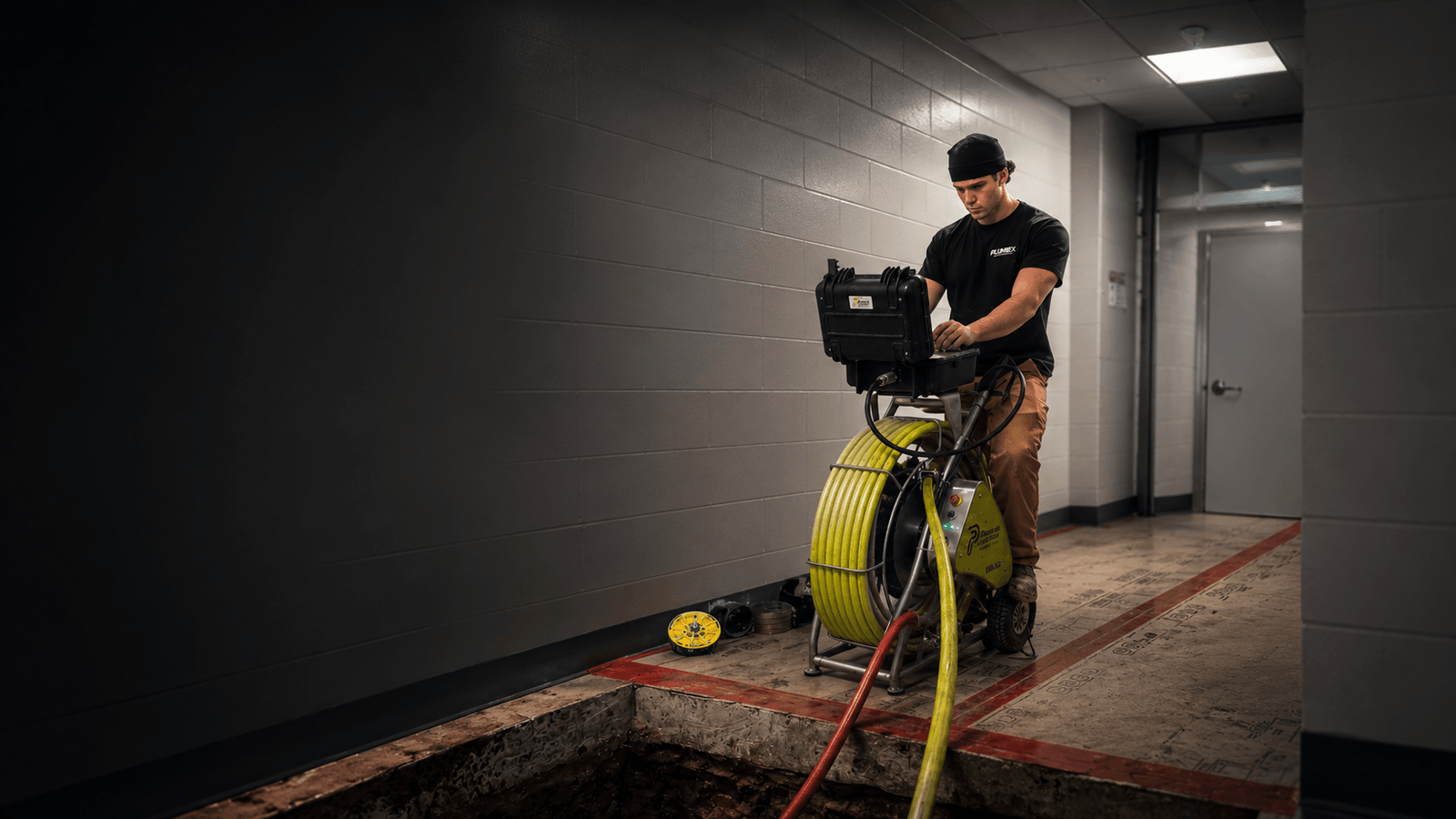
TrenchX installs qualifying underground pipe and utility systems with horizontal directional drilling, creating planned subsurface alignments beneath developed areas while reducing continuous excavation across the surface above.
Horizontal directional drilling in Charleston, SC creates a controlled underground pathway for qualifying new pipe and utility installations. Instead of excavating continuously along the entire route, drilling begins from a planned surface location and follows a designed subsurface alignment toward the receiving area.
A steerable pilot bore establishes the path first. Once the alignment is confirmed, the bore can be enlarged with reaming equipment to accommodate the specified product pipe. The new pipe is then pulled through the prepared bore along the established underground route.
Successful HDD depends heavily on planning. Existing utilities, required depth, bore length, pipe diameter, bend radius, soil conditions, entry and exit areas, and surrounding infrastructure all influence the installation. Where existing underground systems are involved, sewer inspections can help document qualifying pipe conditions before another repair or rehabilitation method is selected.
HDD is fundamentally an installation method rather than a rehabilitation process. When an existing pipe can remain in its established alignment, TrenchX may instead evaluate CIPP lining for qualifying rehabilitation or pipe bursting where trenchless replacement through the existing corridor is more appropriate.
Schedule a Project ReviewDirectional drilling succeeds when the underground route and the surface above it are planned together. Alignment, utilities, pipe requirements, geology, access, and surrounding infrastructure all affect the installation.
Plan qualifying installations beneath roads, drives, utilities, and other developed features where continuous excavation would create unnecessary disruption.
Establish a designed underground route around documented obstacles while maintaining appropriate depth, geometry, and pipe bend requirements.
Coordinate drilling and receiving areas so crews, equipment, product pipe, and project staging can operate safely and efficiently.
Evaluate subsurface conditions that may influence steering, drilling fluid management, bore stability, reaming, and product pipe installation.
Where a failed pipe already provides a usable alignment, compare HDD with trenchless replacement through the established pipe corridor.
Explore Pipe Bursting → 06Document qualifying existing infrastructure before deciding whether the project requires new installation, rehabilitation, or replacement.
Explore Inspections →Review the route, existing utilities, access, required depth, pipe specifications, and other conditions affecting the bore.
Establish the pilot bore along the planned alignment, then enlarge the pathway as required for the specified product pipe.
Pull the new pipe through the prepared bore and complete applicable inspection, connection, testing, and project documentation.
Horizontal directional drilling is useful when the project requires a new underground installation or a planned route beneath an obstacle. It creates a bore for the new pipe rather than structurally renewing the interior of an existing host pipe.
Where a usable pipe already exists, preserving that alignment can sometimes simplify the project. The existing condition, capacity, geometry, access, material, surrounding infrastructure, and required service life all influence whether installation, rehabilitation, or replacement makes the most sense.
TrenchX can evaluate CIPP lining where a qualifying pipe can be structurally rehabilitated, pipe bursting where replacement through the existing alignment is appropriate, or HDD where the project calls for a new underground pathway.
Compare TrenchX Pipe SolutionsUnderground installation becomes more complex once the surface is developed. Roads, parking areas, occupied buildings, landscaping, utility corridors, pedestrian routes, site improvements, and normal property operations can all limit where excavation and equipment staging are practical.
HDD can reduce continuous surface disturbance by moving the installation below these features, but the work still requires coordinated entry and exit areas, equipment access, utility locating, product-pipe staging, drilling-fluid management, and a bore path that fits the underground conditions.
TrenchX can evaluate qualifying directional drilling projects for managed properties , facilities , and defense facilities where underground routing, existing utilities, access limitations, developed surfaces, security or operational requirements, and surrounding infrastructure all have to be considered before the bore begins.
TrenchX evaluates qualifying horizontal directional drilling, underground pipe installation, inspection, rehabilitation, and trenchless replacement projects across Charleston and surrounding South Carolina Lowcountry communities.
HDD installs qualifying new underground pipe along a planned subsurface alignment while reducing continuous excavation.
Project suitability depends on utilities, soil, pipe specifications, bore geometry, access, staging, depth, and surrounding infrastructure.
These questions explain how TrenchX approaches horizontal directional drilling in Charleston, SC and surrounding Lowcountry communities.
Horizontal directional drilling is a trenchless installation method that creates a planned underground bore for qualifying new pipe or utility systems without excavating continuously along the entire route.
A steerable pilot bore establishes the underground route. The bore is then enlarged as required, and the specified product pipe is pulled through the prepared pathway.
HDD may be useful where qualifying underground installation needs to cross beneath roads, drives, parking areas, developed properties, existing infrastructure, or other areas where continuous excavation would create significant disruption.
Not necessarily. HDD typically creates a new underground bore. When an existing pipe alignment can be reused, CIPP lining or pipe bursting may be more appropriate depending on the documented condition and project requirements.
Existing utilities, bore depth, length, product-pipe diameter, bend radius, soil conditions, entry and exit access, surrounding infrastructure, and project specifications can all influence HDD feasibility.
TrenchX evaluates qualifying horizontal directional drilling projects across Charleston and surrounding South Carolina Lowcountry communities. Visit the TrenchX service-area directory for county and community coverage information.