Fine Root Intrusion
Clear smaller root growth that has entered through joints, cracks, or connections before it develops into a larger restriction.


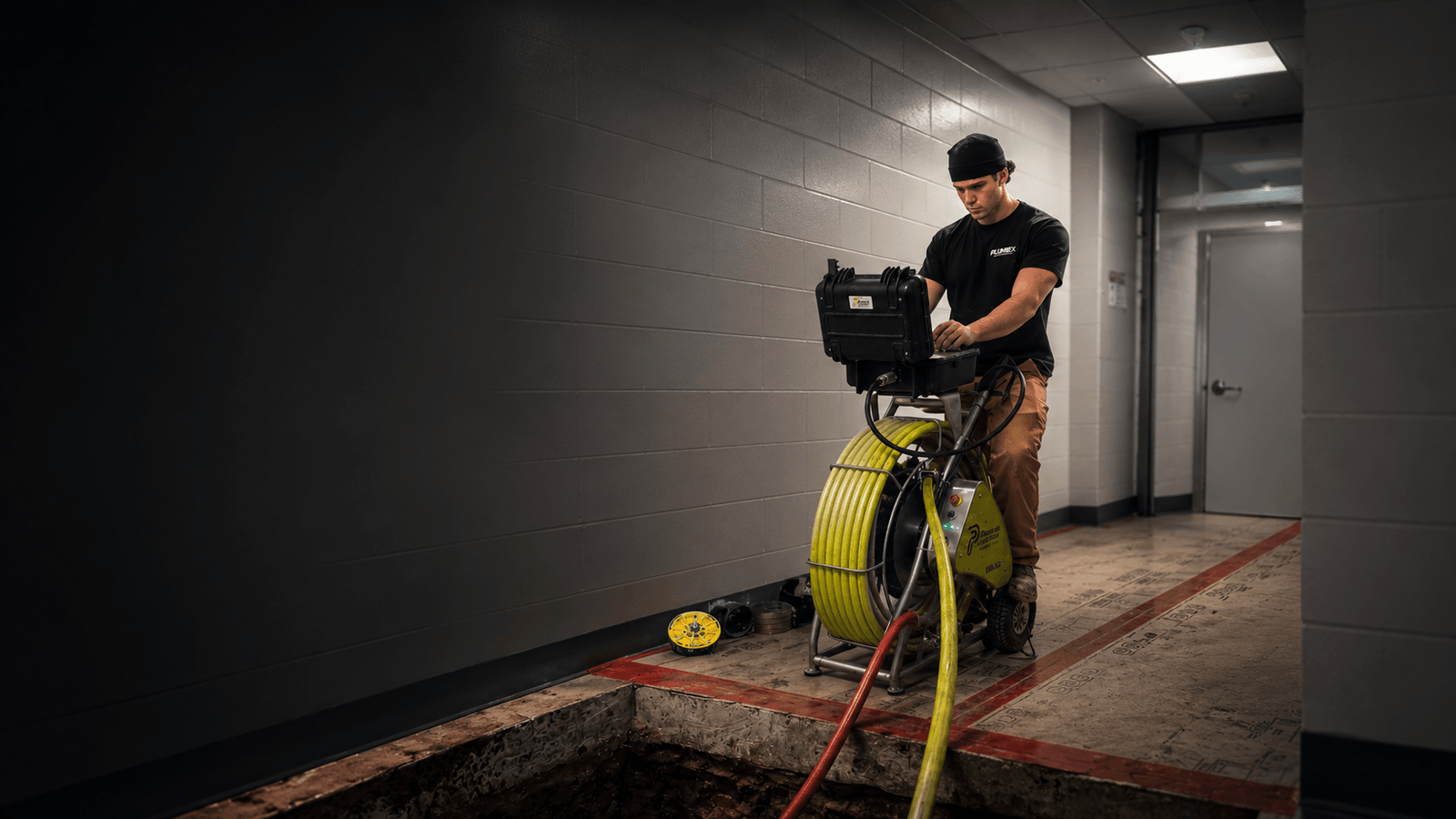
TrenchX clears qualifying root intrusion from sewer and pipeline systems, restores usable pipe bore, and helps identify the cracks, joints, or connection points that allowed roots to enter.
Sewer root removal in Charleston, SC addresses intrusive tree and shrub roots that have entered qualifying underground pipes through joints, cracks, connections, or other openings. Once inside the system, roots can expand through the pipe bore, restrict flow, trap debris, and contribute to recurring backups.
The removal approach depends on the size and density of the root mass. Fine intrusion may be cleared through controlled hydro-jetting and pipeline cleaning , while heavier established growth may require mechanical cutting before loosened root material is flushed from the line.
Root removal is only one part of the repair decision. After the obstruction is cleared, sewer camera inspection can help document the entry point and determine whether the pipe contains cracking, failed joints, or other defects that may allow roots to return.
When a qualifying defect remains, TrenchX can evaluate patch lining for certain localized problems or CIPP lining where broader structural rehabilitation is appropriate. This helps move the project from temporary obstruction removal toward a longer-term pipe solution.
Schedule a Sewer InspectionRoot intrusion varies from fine growth at a joint to dense masses occupying much of the pipe bore. The right removal and follow-up repair depend on what inspection shows before and after cleaning.
Clear smaller root growth that has entered through joints, cracks, or connections before it develops into a larger restriction.
Break apart established root growth that occupies a significant portion of the pipe bore and interferes with normal flow.
Flush cut root material and qualifying debris through the system after intrusion has been loosened or mechanically removed.
Explore Hydro-Jetting → 04Reinspect the cleared pipe to document cracks, joint failure, openings, or other defects that may have allowed roots to enter.
Explore Inspections → 05Evaluate targeted structural repair where a qualifying isolated defect remains after the root mass has been removed.
Explore Patch Lining → 06Consider full-length lining when inspection shows broader cracking, failed joints, or deterioration that allows repeated root entry.
Explore CIPP Lining →Identify the location, density, access conditions, visible pipe defects, and the portion of the system affected by root growth.
Use the appropriate cutting and cleaning method to remove the root mass and flush loosened material from the pipe.
Document the exposed host pipe and determine whether the root entry point should be monitored, patched, lined, or otherwise repaired.
Root removal restores usable pipe area by clearing intrusive growth, but the roots entered the system for a reason. A failed joint, crack, connection, or other opening can remain after the obstruction itself is gone.
Reinspection after cleaning helps separate a temporary blockage from an underlying pipe defect. If the host pipe remains sound and the entry point is limited, monitoring or targeted repair may be sufficient. More widespread deterioration may call for structural rehabilitation.
When defects remain, TrenchX can evaluate patch lining for certain isolated entry points, CIPP lining for qualifying structural renewal, or pipe bursting when the pipe condition makes replacement more appropriate.
Compare TrenchX Pipe SolutionsMature landscaping, established trees, older underground infrastructure, and developed sites can all create conditions where root intrusion affects sewer and drainage performance.
TrenchX evaluates root-related pipe problems across property management portfolios , multi-residential properties , and retail sites where excavation can affect landscaping, parking, access, tenants, customers, and normal property operations.
TrenchX evaluates qualifying sewer root intrusion, pipeline cleaning, inspection, and trenchless repair needs across Charleston and surrounding South Carolina Lowcountry communities.
Root intrusion can restrict flow while also signaling cracks, failed joints, or other openings in an underground pipe system.
The proper response depends on the amount of root growth, pipe condition, accessibility, and what remains after the obstruction has been removed.
These questions explain how TrenchX approaches sewer root removal in Charleston, SC and surrounding Lowcountry communities.
Roots can enter through cracks, joints, connections, and other openings in underground pipe systems. Once inside, the available moisture and nutrients can support continued root growth.
The method depends on the root intrusion. Qualifying fine roots may be cleared with hydro-jetting, while heavier established growth can require mechanical cutting followed by flushing and reinspection.
They can if the crack, failed joint, connection, or other entry point remains open. That is why post-removal inspection is useful for identifying whether additional pipe repair should be considered.
Reinspection can reveal pipe surfaces that were previously hidden by the root mass and help identify the defects or openings that allowed root intrusion to develop.
Depending on the documented pipe condition, patch lining or CIPP lining may be considered to rehabilitate qualifying defects after roots have been removed and the host pipe has been properly prepared.
TrenchX evaluates qualifying sewer root intrusion and trenchless pipe repair projects across Charleston and surrounding South Carolina Lowcountry communities. Visit the TrenchX service-area directory for county and community coverage information.