Sewer Exfiltration
Evaluate qualifying cracks, failed joints, connections, and other defects where wastewater may be escaping the intended pipe system.


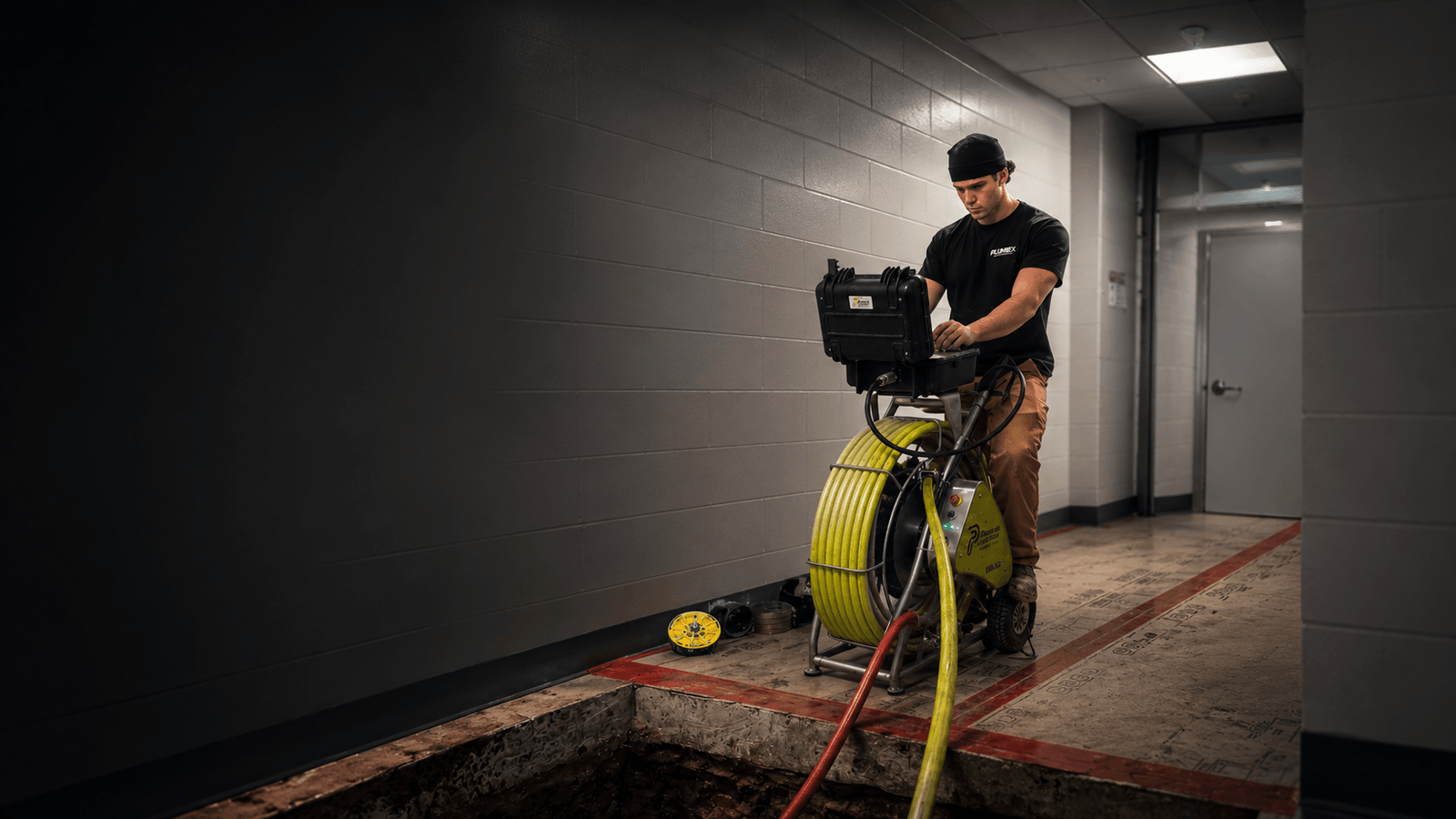
TrenchX evaluates qualifying sewer and underground pipe conditions that may contribute to infiltration, exfiltration, drainage issues, water loss, or other environmental concerns before rehabilitation work is planned.
Sewer environmental impact assessments in Charleston, SC help document qualifying underground infrastructure conditions that may be affecting the property or surrounding environment. Cracked pipe, deteriorated joints, infiltration, exfiltration, failing stormwater systems, and recurring overflows can all point toward a problem that extends beyond normal pipe performance.
TrenchX can use sanitary sewer inspections and broader sewer inspections to document accessible pipe condition, visible defects, restrictions, connections, and areas requiring further evaluation. Where sediment or buildup limits visibility, hydro-jetting and pipeline cleaning may support a clearer condition assessment.
The resulting infrastructure record can help identify which conditions warrant monitoring, maintenance, localized repair, structural rehabilitation, manhole work, or replacement. Where additional environmental testing, engineering, permitting, or regulatory review is required, the documented pipe condition can also provide useful field information for the appropriate environmental or engineering professionals involved in the larger project.
Schedule a System AssessmentEnvironmental concerns often begin with a physical infrastructure condition. Inspection helps connect visible sewer, storm, and drainage defects with the broader symptoms occurring around the site.
Evaluate qualifying cracks, failed joints, connections, and other defects where wastewater may be escaping the intended pipe system.
Identify pipe or structure conditions that may allow unwanted groundwater into sanitary systems and increase unnecessary flow.
Review qualifying drainage restrictions, deterioration, or structural concerns that may contribute to poor conveyance, ponding, or localized drainage issues.
Evaluate manholes and access structures where leakage, deterioration, failed surfaces, or infiltration may affect the connected underground system.
Narrow down qualifying hidden water-loss conditions before unnecessary disturbance or corrective work begins.
Explore Leak Detection → 06Restore qualifying deteriorated manholes and access structures where infiltration or surface failure affects the larger system.
Explore Manhole Rehab →Record qualifying pipe, drainage, manhole, leakage, restriction, and structural conditions relevant to the site concern.
Compare infrastructure findings with site conditions to determine where additional investigation or corrective work may be needed.
Organize monitoring, maintenance, repair, rehabilitation, or replacement around the documented condition and project priorities.
Not every underground condition creates the same environmental concern. A minor restriction may belong in a maintenance program, while active leakage, recurring overflow conditions, structural failure, or severe infiltration can justify a more immediate corrective response.
The purpose of condition assessment is to separate those situations rather than treating every defect the same way. That allows infrastructure teams to focus resources on conditions with the greatest operational or site impact while continuing to monitor lower priority assets.
TrenchX can connect documented conditions with preventive maintenance , leak detection and sealing , CIPP lining , or manhole rehabilitation where the documented infrastructure condition supports those approaches.
Compare TrenchX Pipe SolutionsSewer, stormwater, drainage, and underground pipe systems interact with the property around them. Leakage can affect surrounding soils, unwanted groundwater can enter deteriorated sewer systems, and drainage restrictions can contribute to standing water, erosion, or poor site performance.
Understanding those relationships is especially important on larger or heavily developed properties where buildings, pavement, landscaped areas, drainage systems, utilities, traffic, and occupied spaces all share the same site.
TrenchX can evaluate qualifying infrastructure conditions for facilities , schools and campuses , and managed properties where sewer, storm, drainage, occupied areas, site access, ongoing operations, and future rehabilitation priorities all need to be considered as parts of the same property system.
TrenchX evaluates qualifying sewer, storm, leakage, drainage, inspection, and trenchless rehabilitation needs across Charleston and surrounding South Carolina Lowcountry communities.
Underground sewer and drainage defects can sometimes create concerns that extend beyond normal pipe operation.
Inspection helps document infrastructure conditions before monitoring, maintenance, remediation, or rehabilitation priorities are selected.
These questions explain how TrenchX approaches infrastructure-focused environmental assessments in Charleston, SC and surrounding Lowcountry communities.
TrenchX focuses on qualifying underground infrastructure conditions such as leakage, infiltration, pipe deterioration, restrictions, structural defects, manhole condition, and drainage concerns that may affect the surrounding site.
Certain failures can allow wastewater to leave the intended pipe system or groundwater to enter deteriorated sanitary infrastructure. The significance of those conditions depends on the specific system and site.
Inspection can document visible cracks, failed joints, infiltration indicators, restrictions, structural deterioration, and other pipe conditions that may require further evaluation or corrective work.
Not necessarily. TrenchX evaluates qualifying pipe and underground infrastructure conditions. Projects requiring formal environmental studies, regulatory determinations, engineering, sampling, or permitting may also require the appropriate environmental, engineering, or regulatory professionals.
Depending on the condition, the next step may involve monitoring, preventive maintenance, cleaning, leak repair, localized rehabilitation, structural lining, manhole rehabilitation, or replacement.
TrenchX evaluates qualifying sewer and underground infrastructure concerns across Charleston and surrounding South Carolina Lowcountry communities. Visit the TrenchX service-area directory for county and community coverage information.