

Trenchless Pipe Rehabilitation Solutions in Charleston, SC
TrenchX combines pipe inspection, cleaning, localized repair, structural lining, no-dig replacement, and preventive planning to solve underground pipe problems around the condition of the system and the property above it.
Choosing the Method
Replace Qualifying Pipe
Property Constraints
Start With the Pipe Condition, Not a Predetermined Repair
Trenchless pipe rehabilitation in Charleston, SC can involve very different scopes from one property to the next. Some systems need cleaning before anything else can be evaluated. Others have isolated defects, widespread deterioration, root intrusion, corrosion, leakage, structural failure, or conditions that make full replacement more appropriate than rehabilitation.
TrenchX starts by understanding the underground system. Sewer inspections can document visible defects and restrictions. Then, hydro-jetting and pipeline cleaning can remove qualifying buildup and prepare the host pipe for further evaluation or rehabilitation.
From there, solutions such as CIPP lining, patch lining, epoxy pipe coating, or pipe bursting can be considered according to pipe material, diameter, structural condition, access, alignment, and the extent of the damage.
See How TrenchX Approaches Pipe RehabilitationFive Core Capabilities Across the Pipe Life Cycle
These services form the foundation of the TrenchX approach. They help document underground conditions, restore access and flow, rehabilitate qualifying pipe, or replace systems that have moved beyond a practical lining solution.
Hydro-Jetting &
Pipeline Cleaning
High-pressure water removes qualifying grease, scale, sediment, debris, and root mass from the pipe bore. Cleaning can restore flow while also exposing more of the host pipe for inspection and rehabilitation planning.
Explore Hydro-Jetting → Structural Rehabilitation
Cured-in-Place
Pipe (CIPP) Lining
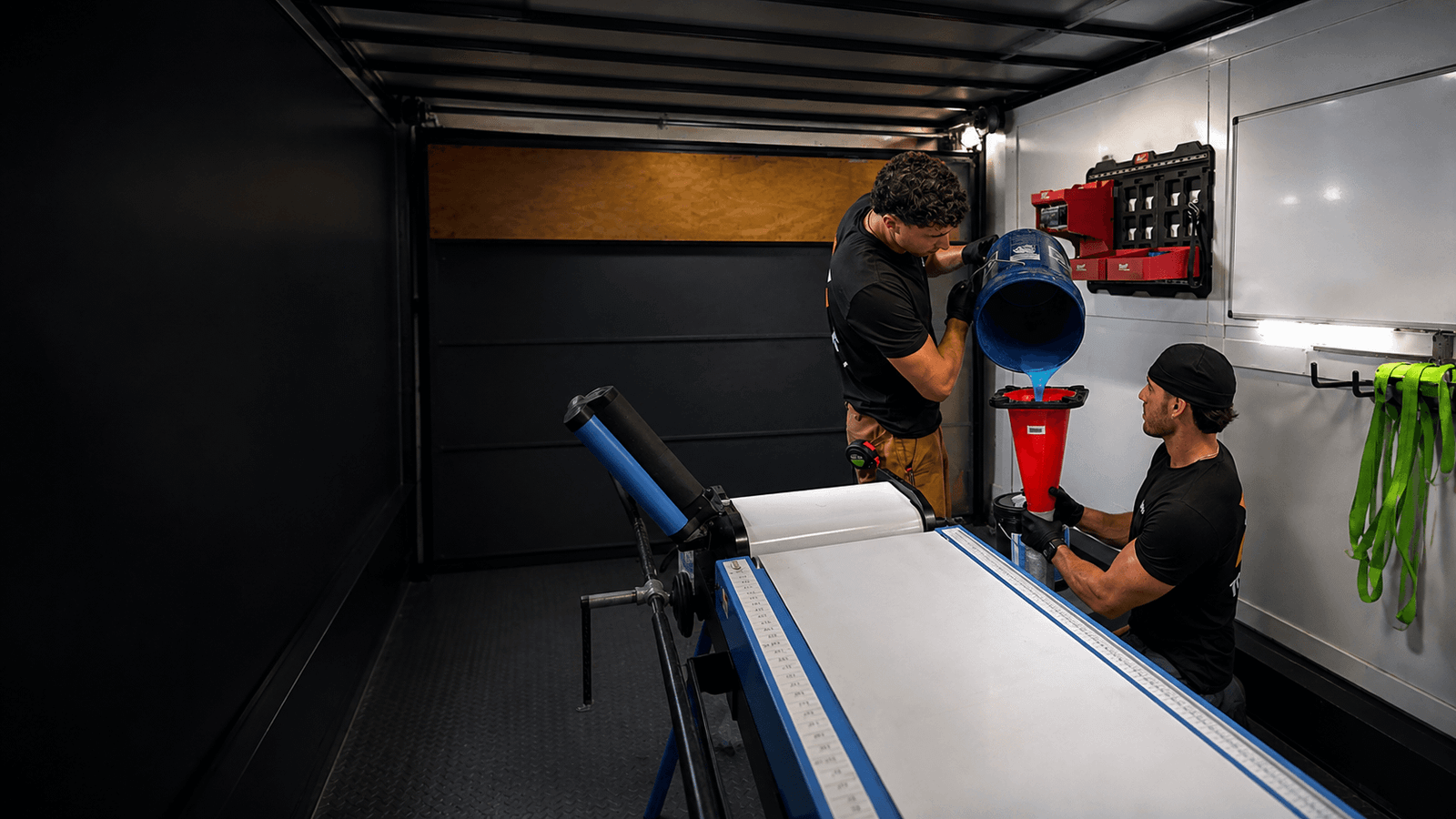
A resin-saturated liner is installed inside the existing pipe, positioned against the host pipe wall, and cured to create a seamless new pipe within the original system without continuous excavation along the run.
Explore CIPP Lining → Trenchless Replacement
Pipe Bursting
& Replacement
When a failing line needs replacement rather than rehabilitation, a bursting head can fracture the existing pipe while pulling new HDPE pipe through the established alignment.
Explore Pipe Bursting → Internal Pipe CoatingEpoxy Pipe Coating
A two-part epoxy coating is applied to qualifying interior pipe surfaces to address corrosion and pinhole leakage while creating a renewed internal barrier without replacing the entire line.
Explore Epoxy Coating → Pipe Condition AssessmentSewer Inspections
CCTV, crawler, and qualifying sonar inspection can document mains, laterals, storm systems, defects, restrictions, and other visible conditions before a repair scope is defined.
Explore Sewer Inspections →More Ways to Solve Complex Underground Pipe Conditions
Not every project fits a standard lining or replacement scope. Specialized installation, curing, access, diameter, and repair methods give TrenchX additional ways to address qualifying systems with more technical or property-specific constraints.
Root Removal
Hydro-jetting and mechanical cutting can remove root intrusion from qualifying lines. Afterward, inspection can help identify entry points that may require sealing, lining, or localized repair.
Explore Root Removal → Localized RehabilitationPatch Lining
A resin-saturated repair section is positioned over an isolated crack, failed joint, or localized defect and cured in place without requiring a full-length lining project.
Explore Patch Lining → Liner Installation MethodInversion Lining
The liner turns inside-out as it moves through the pipe under pressure, allowing the resin-coated surface to maintain contact with the host pipe through qualifying bends and complex runs.
Explore Inversion Lining → Controlled Liner CuringUV Curing
A UV light train travels through the inflated liner to complete a controlled cure. The method can reduce cure time while providing a consistent process that does not depend on ambient temperature.
Explore UV Curing → Thermal Liner CuringHot Water Curing
Heated water circulates through an installed liner to drive a monitored cure. It remains a useful installation method for qualifying long runs and larger-diameter rehabilitation projects.
Explore Hot Water Curing → Structure RehabilitationManhole Rehabilitation
Spray lining, structural coatings, epoxy systems, or other qualifying rehabilitation methods can address deterioration and infiltration from within the structure.
Explore Manhole Rehabilitation → Controlled Underground InstallationHorizontal Directional Drilling
HDD creates a guided underground bore for new pipe installation beneath qualifying roads, structures, waterways, and developed surfaces without opening the full route above.
Explore HDD → Small-Diameter Systems2"–8" No-Dig Pipe Repair
CIPP lining, patch repair, and qualifying coating methods can address smaller underground lines while using available cleanouts or access points to reduce unnecessary surface disturbance.
Explore 2"–8" Repair → Large-Diameter Systems12"–36" No-Dig Pipe Repair
Large-diameter lining, replacement, and rehabilitation methods can support qualifying sewer mains, stormwater systems, culverts, and larger underground infrastructure.
Explore 12"–36" Repair →The Right Method Starts With Understanding the Existing Pipe
Inspect the
Existing System
Identify restrictions, defects, structural concerns, material, diameter, alignment, access, and the portion of the system that actually requires attention.
Prepare the Pipe
for the Work
Cleaning, root removal, access planning, and additional preparation can create the conditions needed for a more accurate assessment or successful rehabilitation.
Repair, Rehabilitate
or Replace
Select a method that fits the documented pipe condition while also accounting for access, pavement, landscaping, structures, occupants, and property operations.
Use Inspection Data Before Small Problems Become Larger
Underground pipe management does not have to begin with a failure. Inspection, planned maintenance, leak localization, regulatory review, and environmental planning can help property teams make better decisions before emergency conditions develop.
Sanitary Sewer Inspections
CCTV and qualifying sonar inspection can document sanitary sewer conditions and support NASSCO PACP defect coding, reporting, regulatory review, and longer-term capital planning.
Explore Sanitary Inspections → Planned System CarePreventive Maintenance
Scheduled inspections, cleaning, and condition monitoring can help identify developing restrictions or defects before they turn into larger operational problems.
Explore Preventive Maintenance → Target the Affected AreaLeak Detection & Sealing
Acoustic, thermal, tracer, and other qualifying diagnostic methods can help narrow the location of underground leakage before corrective work is defined.
Explore Leak Detection → Regulatory PlanningCompliance Consulting
Infrastructure assessment and documentation can help project teams evaluate underground systems against applicable requirements and prioritize remediation work.
Explore Compliance Consulting → Infrastructure Risk ReviewEnvironmental Impact Assessments
Inspection data, flow information, and project review can help identify underground pipe conditions that may create environmental risk and inform a practical remediation plan.
Explore Impact Assessments →Trenchless Technology Still Depends on Good Field Planning
Advanced equipment does not replace the need for a clear project plan. TrenchX evaluates how the underground system, available access points, pipe configuration, surrounding improvements, and normal use of the property interact before field work begins.
For example, a residential property may require careful planning around driveways, landscaping, and occupied living space. Meanwhile, property-management, food-and-beverage, or facility projects may place greater emphasis on access windows, occupants, equipment movement, scheduling, and continued operations.
That is why solution selection cannot stop at the pipe defect. TrenchX develops the underground scope around both the technical repair and the conditions above the system.
Explore Who TrenchX Works WithThe Pipe May Be Underground, but the Property Still Matters
Similar pipe defects can require different field plans depending on what surrounds the system. TrenchX supports qualifying residential, managed, commercial, institutional, and public-sector environments where access and disruption matter alongside the technical repair.
Trenchless Pipe Solutions Across Our Service Area
TrenchX serves qualifying underground pipe systems across Charleston and surrounding South Carolina Lowcountry communities. Local pages explain how property conditions and infrastructure patterns can affect project planning in different parts of the region.
Charleston
Trenchless rehabilitation around established neighborhoods, commercial properties, historic sites, and developed areas.
Explore Charleston → Charleston RegionNorth Charleston
Underground pipe inspection and rehabilitation around commercial, institutional, multi-unit, and high-use properties.
Explore North Charleston → Charleston CountyMount Pleasant
Condition-based pipe repair planned around landscaping, pavement, developed properties, and active sites.
Explore Mount Pleasant → Dorchester RegionSummerville
Inspection, cleaning, rehabilitation, and replacement planning around growing residential and commercial properties.
Explore Summerville → Charleston AreaWest Ashley
Root intrusion, sewer restrictions, cleaning, inspection, and structural rehabilitation around established properties.
Explore West Ashley → Full Coverage DirectoryAll Service Areas
Review TrenchX county and community coverage across Charleston and the surrounding South Carolina Lowcountry.
Explore All Locations →Underground Pipe Solutions Across Active Properties
TrenchX works around organizations, institutions, managed environments, commercial properties, and active facilities where the pipe repair is only one part of the project. Access, occupants, scheduling, equipment movement, surface improvements, and continued property use all influence how underground work should be planned.






Trenchless Pipe Rehabilitation Questions in Charleston, SC
Trenchless pipe rehabilitation can reduce the amount of surface excavation required for many qualifying underground systems. However, no single method is right for every pipe.
Pipe material, diameter, alignment, access, structural condition, restrictions, leakage, root intrusion, and the extent of deterioration all affect the repair decision. The property above the line matters as well.
These questions explain how TrenchX approaches inspection, preparation, lining, localized repair, trenchless replacement, and preventive planning across Charleston and the surrounding Lowcountry.
What is trenchless pipe rehabilitation?
Trenchless pipe rehabilitation uses internal repair, lining, coating, or replacement methods to address qualifying underground pipe without excavating the entire pipe route. The appropriate method depends on the condition and configuration of the existing system.
How does TrenchX determine which trenchless solution to use?
TrenchX evaluates the pipe condition, material, diameter, alignment, access, restrictions, structural defects, surrounding property, and project requirements before defining the repair scope. Inspection and cleaning may be needed before a final method can be selected.
What is the difference between CIPP lining and pipe bursting?
CIPP lining rehabilitates qualifying existing pipe by curing a resin-saturated liner inside the host pipe. Pipe bursting replaces the existing line by fracturing it outward while pulling new pipe through the established alignment. The existing pipe condition helps determine which approach is more appropriate.
Does a sewer line need to be cleaned before lining?
Qualifying pipes commonly require preparation before lining. Hydro-jetting, root removal, or mechanical cleaning may be used to remove restrictions and create a cleaner host surface before the rehabilitation process moves forward.
Can trenchless pipe repair be used on commercial properties?
Yes. TrenchX supports qualifying underground systems across residential, property-management, multi-residential, retail, office, food-and-beverage, institutional, healthcare, facility, and other commercial environments. Field planning is adjusted to the access and operational requirements of the property.
Does TrenchX provide trenchless pipe rehabilitation outside Charleston?
TrenchX serves qualifying projects throughout Charleston and surrounding South Carolina Lowcountry communities. The TrenchX Locations directory provides county and community service-area information.