Control Grease
and Buildup
High-use kitchen and process drains can accumulate grease, solids, scale, and debris. Cleaning helps separate maintenance concerns from defects that require structural work.


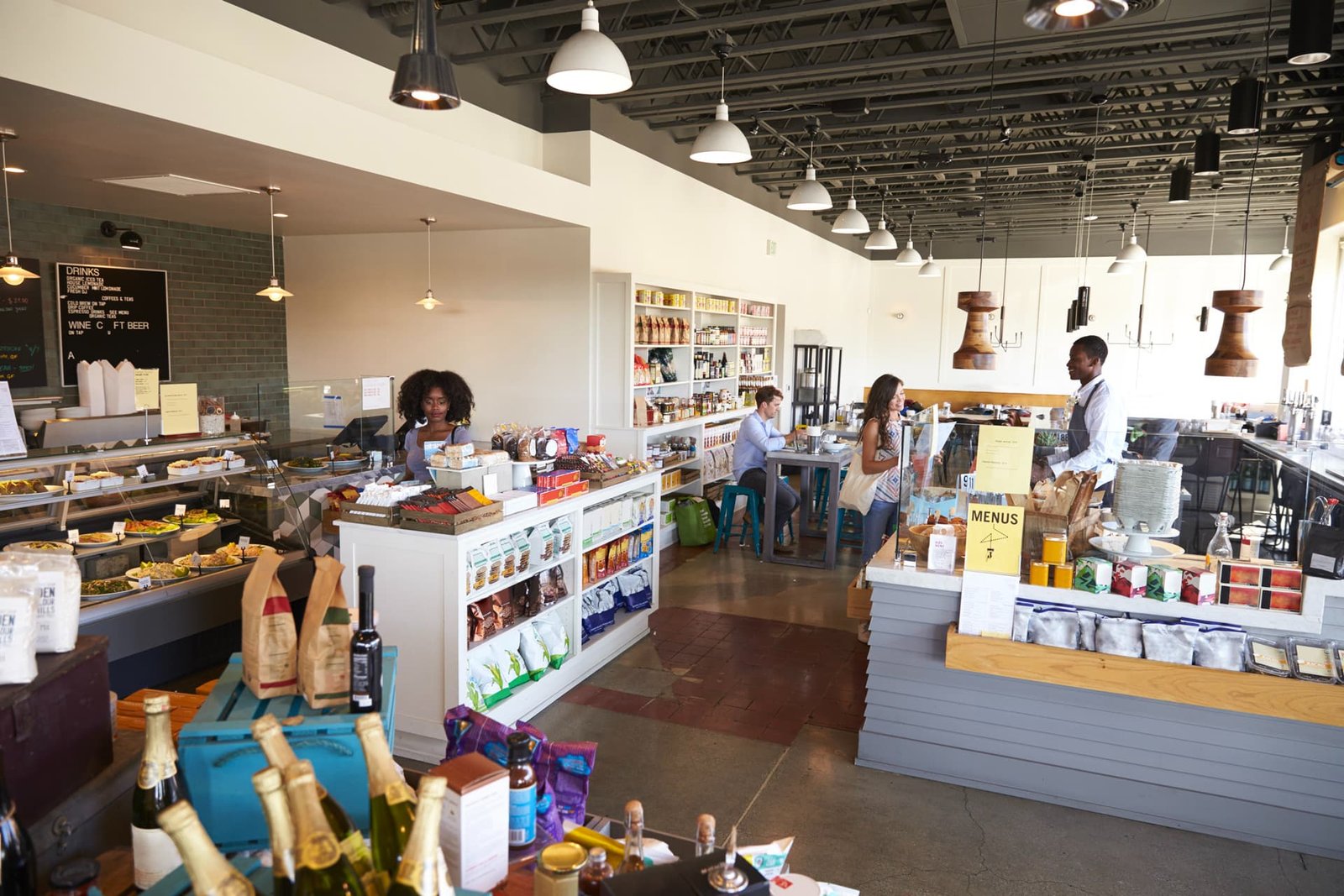
TrenchX helps restaurants and food-and-beverage properties inspect, clean, maintain, rehabilitate, and replace qualifying sewer and drain systems while planning the work around kitchens, customers, staff, sanitation needs, and operating schedules.
Restaurant sewer services in Charleston, SC often involve systems exposed to grease, food solids, sediment, heavy daily use, and recurring drainage demands. Slow kitchen drains, repeated backups, odors, or poor flow can point to buildup, but they may also involve damaged joints, deterioration, roots, offsets, or structural defects.
TrenchX starts by identifying what is happening inside the line. Sewer inspections can document visible conditions before a repair method is selected. When grease, solids, scale, or other accumulation is restricting the pipe, hydro-jetting and pipeline cleaning can help restore the bore and create better conditions for evaluation.
If the underlying pipe needs structural work, CIPP lining can rehabilitate qualifying drain or sewer pipe from within. Patch lining may address certain localized defects, while pipe bursting can be considered when replacement is more appropriate than lining.
See How TrenchX Approaches Foodservice Pipe WorkRestaurant and food-and-beverage drainage can require cleaning, inspection, rehabilitation, replacement, maintenance, and careful coordination around active operations. The pipe condition determines which combination makes sense.
Remove qualifying grease, food solids, scale, and accumulation from kitchen or process drainage before evaluating the exposed pipe for repair or rehabilitation.
Explore Hydro-Jetting → 02Rehabilitate qualifying damaged drain and sewer lines from within using a structural cured-in-place liner without defaulting to continuous open-cut excavation.
Explore CIPP Lining → 03Document grease buildup, restrictions, roots, offsets, deterioration, and other visible conditions before deciding how the affected pipe should be addressed.
Explore Sewer Inspections → 04Use scheduled inspection, cleaning, and condition monitoring to help manage high-use sanitary and drainage systems before developing restrictions become larger operating problems.
Explore Preventive Maintenance → 05Replace qualifying collapsed or severely deteriorated laterals through the existing alignment when the host pipe is no longer a practical candidate for structural lining.
Explore Pipe Bursting → 06Connect inspection findings, repair documentation, sanitation priorities, access requirements, and operating schedules into a project plan built around the facility.
Explore Planning Support →High-use kitchen and process drains can accumulate grease, solids, scale, and debris. Cleaning helps separate maintenance concerns from defects that require structural work.
Inspection-led maintenance and rehabilitation can help address qualifying sewer and drainage conditions before repeated backups create larger operational concerns.
Kitchens, employees, customers, deliveries, prep areas, and normal operating schedules all influence how access, equipment, and field work should be staged.
Restaurant and foodservice properties can place heavy demands on drainage systems while leaving limited room for disruption. Kitchens, preparation areas, employee access, deliveries, customer spaces, and service schedules can all affect when and how underground pipe work is performed.
TrenchX combines inspection findings with those operating constraints before field work begins. Depending on the system, the plan may include hydro-jetting first, establishing access outside a high-use work area, preparing a pipe for lining, or coordinating rehabilitation around lower-use windows.
For qualifying pipe, trenchless methods can address the underground problem without automatically treating extensive open excavation as the starting point.
Explore TrenchX Commercial Project ExperienceHeavy-use drains can make every backup look like another cleaning problem. A structured process helps determine when maintenance is enough and when the pipe itself requires rehabilitation or replacement.
Document visible buildup, restrictions, defects, alignment, and the portion of the sanitary or process drainage system creating concern.
Remove qualifying grease, solids, scale, and debris when cleaning is needed to expose the underlying host pipe more clearly.
Match maintenance, localized repair, CIPP lining, or replacement to the actual pipe condition rather than the symptom alone.
Plan access, equipment, sequencing, kitchen activity, operating windows, and site requirements around the selected scope.
Foodservice drainage shares some maintenance and access challenges with convenience stores, retail properties, managed facilities, and other high-use environments. The pipe and property still determine the final project approach.
TrenchX supports commercial properties, institutions, managed environments, and active facilities where underground infrastructure work has to account for sanitation, access, schedules, equipment movement, customers, employees, and continued property use.


TrenchX serves qualifying restaurant, foodservice, and commercial properties throughout Charleston and surrounding Lowcountry communities. Explore local pages for information about inspection, cleaning, trenchless rehabilitation, and underground pipe services.
Restaurant sewer and drain systems can experience grease loading, food solids, scale, heavy daily use, recurring restrictions, and structural pipe deterioration.
Cleaning can solve some conditions, but repeated drainage problems may require inspection to determine whether the underlying pipe also needs localized repair, lining, or replacement.
These questions explain how TrenchX approaches restaurant sewer services in Charleston, SC and surrounding Lowcountry communities.
TrenchX supports qualifying restaurants and foodservice properties with sewer inspection, hydro-jetting and cleaning, preventive maintenance, CIPP lining, localized repair, pipe bursting, and other underground pipe solutions selected according to system condition.
Hydro-jetting can remove qualifying grease, solids, scale, sediment, and other buildup from certain drain and sewer lines. The condition and configuration of the system should be evaluated before the cleaning approach is selected.
Camera inspection can be useful when backups or slow drainage continue after maintenance, when structural damage is suspected, or before rehabilitation is planned. Inspection can help separate buildup from defects within the pipe itself.
CIPP lining can rehabilitate qualifying existing pipe from within. The host pipe must still be evaluated for material, diameter, configuration, access, cleanliness, and structural condition before lining is selected.
Pipe bursting may be considered when a qualifying sewer lateral needs replacement rather than rehabilitation. Pipe condition, alignment, access, surrounding utilities, and site requirements all influence whether the method is appropriate.
TrenchX serves qualifying foodservice and commercial properties across Charleston and surrounding South Carolina Lowcountry communities. Visit the TrenchX service-area directory for county and community coverage information.