Structural Condition
Document cracking, deformation, joint failure, corrosion, material loss, infiltration, and other defects before selecting a structural rehabilitation method.


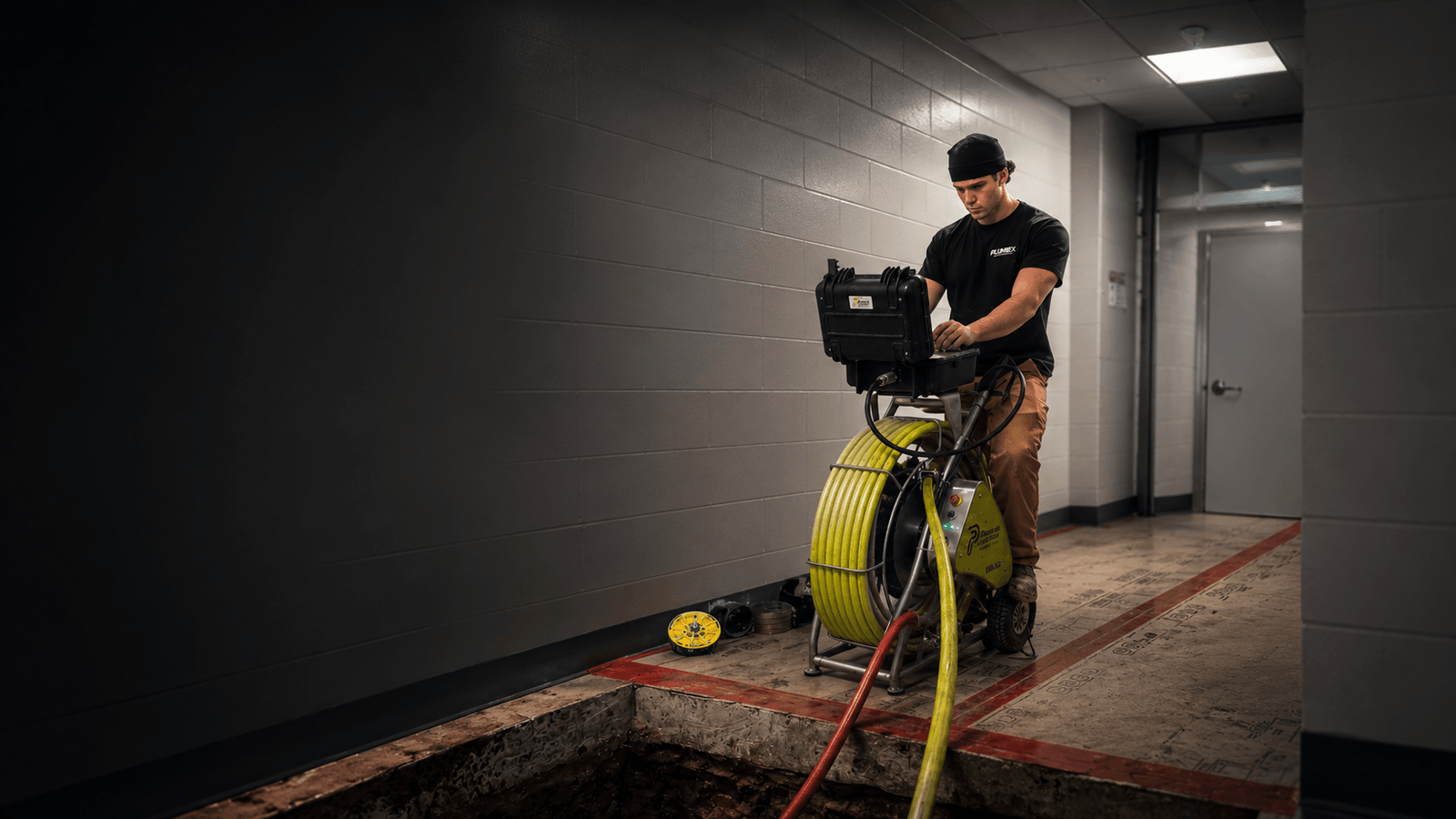
TrenchX rehabilitates qualifying large-diameter sewer, stormwater, commercial, and infrastructure pipe systems with trenchless methods designed to reduce full-length excavation and surface disruption.
12″–36″ no-dig pipe repair in Charleston, SC addresses qualifying larger-diameter sewer, stormwater, commercial, and infrastructure systems without automatically excavating the full pipe alignment. These assets often run beneath roadways, parking areas, facilities, campuses, utility corridors, and other developed areas where conventional excavation can significantly affect the site above.
The rehabilitation method depends on the documented condition, diameter, pipe material, geometry, access, hydraulic requirements, structural demands, and length of the affected system. Depending on those conditions, the project may involve CIPP lining, pipe bursting, slip lining, segmental rehabilitation, or another compatible trenchless approach.
TrenchX can begin with sewer inspections to document defects and existing pipe condition. hydro-jetting and pipeline cleaning may also be required where sediment, scale, debris, roots, or other material must be removed before rehabilitation can be properly evaluated or installed.
Where the host pipe remains suitable for structural renewal, CIPP lining may rehabilitate the existing alignment from within. If the pipe instead requires replacement, pipe bursting may provide a trenchless replacement path where project conditions support that method.
Schedule a Pipe InspectionLarge-diameter projects involve more than pipe size. Structural condition, flow requirements, access, geometry, surrounding infrastructure, staging, and service continuity all influence the rehabilitation method.
Document cracking, deformation, joint failure, corrosion, material loss, infiltration, and other defects before selecting a structural rehabilitation method.
Account for pipe diameter, bends, transitions, connections, access structures, alignment, and other geometry that can affect installation.
Consider existing hydraulic performance and project requirements so rehabilitation preserves the capacity needed by the larger system.
Coordinate manholes, shafts, equipment, liner handling, traffic, bypass needs, and staging areas around the surrounding property.
Evaluate CIPP where qualifying larger-diameter host pipe can be structurally renewed while preserving the existing alignment.
Explore CIPP Lining → 06Compare rehabilitation with trenchless replacement when the documented condition no longer supports renewal of the host pipe.
Explore Pipe Bursting →Document diameter, geometry, material, defects, access, flow conditions, and surrounding infrastructure before defining scope.
Clean and prepare the system as required while coordinating access, equipment, staging, traffic, and operational requirements.
Complete the specified trenchless rehabilitation and perform applicable inspection, testing, and project documentation.
Large-diameter infrastructure can represent a substantial investment in excavation, pavement, traffic control, site restoration, and operational disruption. When the existing alignment remains usable, trenchless rehabilitation can preserve much of that infrastructure while addressing the pipe itself.
Rehabilitation is not appropriate for every condition. Severe collapse, missing pipe, major deformation, unsuitable geometry, or other structural limitations may make replacement the stronger option. The decision should follow inspection and engineering requirements rather than diameter alone.
TrenchX can evaluate CIPP lining for qualifying structural rehabilitation, pipe bursting where trenchless replacement is appropriate, or other compatible large-diameter methods where project conditions call for a different approach.
Compare TrenchX Pipe SolutionsLarge-diameter sewer and storm systems often serve more than one building or isolated property feature. They may cross roadways, parking areas, campuses, facilities, utility corridors, industrial sites, and other high-use environments where excavation can affect traffic, access, drainage, and normal operations.
Rehabilitation planning therefore has to account for more than the pipe. Access structures, equipment staging, liner handling, bypass requirements, traffic control, occupied facilities, surrounding utilities, flow conditions, and project sequencing can all influence how the work is delivered.
TrenchX can evaluate qualifying large-diameter trenchless projects for facilities , defense facilities , and managed properties where pipe condition, access, traffic, surrounding development, system capacity, service continuity, and project logistics all need to be coordinated around the underground asset.
TrenchX evaluates qualifying 12″–36″ no-dig pipe repair, inspection, cleaning, structural rehabilitation, manhole work, and trenchless replacement projects across Charleston and surrounding South Carolina Lowcountry communities.
Large-diameter trenchless rehabilitation can reduce the excavation required to repair qualifying sewer, stormwater, commercial, and infrastructure pipe systems.
The appropriate method depends on structural condition, pipe material, geometry, diameter, capacity, access, and project-specific requirements.
These questions explain how TrenchX approaches qualifying 12″–36″ no-dig pipe repair in Charleston, SC and surrounding Lowcountry communities.
It refers to trenchless rehabilitation and replacement methods used for qualifying larger-diameter underground pipe systems without automatically excavating continuously along the full pipe corridor.
TrenchX can evaluate qualifying sewer mains, stormwater pipe, commercial drainage systems, trunk lines, and other larger-diameter underground infrastructure within the applicable project range.
Qualifying large-diameter host pipe may be considered for CIPP lining when inspection, geometry, structural condition, access, liner design, and project requirements support that approach.
Severe collapse, missing pipe, major deformation, unsuitable geometry, or other structural conditions may make trenchless or conventional replacement more appropriate than rehabilitation.
Yes. Inspection helps document structural condition, diameter, alignment, geometry, defects, access, restrictions, and other conditions needed to develop the rehabilitation plan.
TrenchX evaluates qualifying 12″–36″ no-dig pipe repair projects across Charleston and surrounding South Carolina Lowcountry communities. Visit the TrenchX service-area directory for county and community coverage information.