Protect Resident
Access
Buildings, walkways, parking, courtyards, common spaces, and entrances can all affect how crews, equipment, and access points are coordinated.


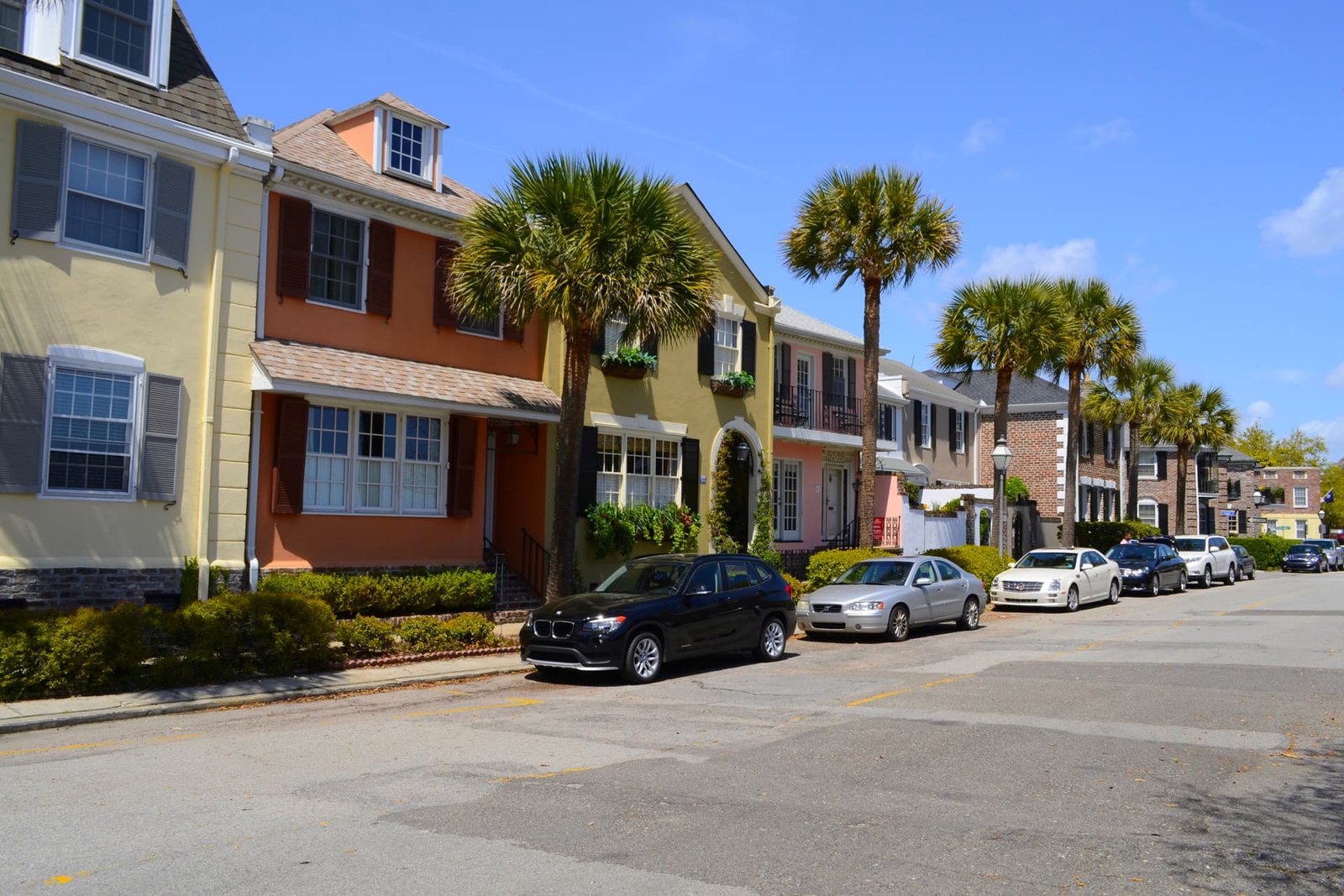
TrenchX helps multi-residential properties inspect, clean, maintain, rehabilitate, and replace qualifying sewer and storm systems while planning the work around residents, shared access, common areas, buildings, parking, and occupied units.
Multi-residential sewer services in Charleston, SC often involve shared infrastructure serving multiple units, buildings, common areas, parking areas, courtyards, and occupied spaces. A recurring backup or damaged lateral can therefore affect more than one resident and more than one portion of the property.
TrenchX starts by identifying the condition and location of the affected system. Sewer inspections can document visible defects, restrictions, roots, offsets, and other concerns. When buildup is limiting flow, hydro-jetting and pipeline cleaning can remove qualifying grease, scale, sediment, and debris before a structural repair is considered.
When rehabilitation is needed, CIPP lining can renew qualifying sewer laterals from within, while pipe bursting may provide a replacement option when the existing pipe has moved beyond practical lining. Manhole rehabilitation can address related structures within the broader property network.
See How TrenchX Approaches Occupied PropertiesMulti-residential properties may need inspection, cleaning, rehabilitation, replacement, maintenance, and staged project coordination across several portions of a shared underground system.
Rehabilitate qualifying building laterals from within using CIPP lining while reducing the need for continuous excavation through courtyards, landscaping, pavement, and other developed areas.
Explore CIPP Lining → 02Document roots, cracks, offsets, restrictions, alignment, and other visible conditions before deciding whether the affected line needs cleaning, repair, rehabilitation, or replacement.
Explore Sewer Inspections → 03Replace qualifying severely deteriorated or failed pipe through the existing alignment when structural rehabilitation is no longer the appropriate path for the system.
Explore Pipe Bursting → 04Remove qualifying grease, sediment, scale, debris, and other accumulation to improve flow and prepare pipe for clearer inspection or rehabilitation.
Explore Hydro-Jetting → 05Address qualifying deterioration, infiltration, and structural concerns within manholes and related sewer or storm structures serving a larger residential property.
Explore Manhole Rehab → 06Use planned inspection, cleaning, condition monitoring, and phased work to help property teams manage shared infrastructure around occupied buildings and residents.
Explore Preventive Maintenance →Buildings, walkways, parking, courtyards, common spaces, and entrances can all affect how crews, equipment, and access points are coordinated.
A problem reported at one building or unit may involve a larger lateral or shared system. Inspection helps identify which portion of the network actually needs attention.
Larger properties may benefit from staged cleaning, rehabilitation, or replacement so the underground program can be coordinated building by building or system by system.
Multi-residential properties remain living environments while pipe work is being planned. Residents need access to units and parking. Common areas remain in use. Landscaping, sidewalks, drive lanes, courtyards, and shared facilities may sit directly above or beside the underground system.
TrenchX combines inspection findings with those property conditions before field work begins. Depending on the scope, that may mean cleaning first, establishing access at selected locations, staging equipment away from high-use areas, or sequencing rehabilitation across different buildings.
For qualifying systems, trenchless methods can help keep the repair concentrated on the affected pipe while reducing unnecessary disturbance across the broader residential property.
Explore TrenchX Multi-Property ExperienceMulti-residential properties can generate several service complaints from the same underground network. A structured process helps determine whether the issue is isolated or part of a larger system condition.
Identify the building, lateral, main, access points, shared connections, and areas where symptoms are being reported.
Document buildup, restrictions, roots, defects, and deterioration while separating immediate concerns from longer-term maintenance.
Match cleaning, localized repair, CIPP lining, structure rehab, or replacement to the condition of each affected portion of the system.
Coordinate work around buildings and occupancy, then document the completed scope so property teams have a clearer record of what was addressed.
Multi-residential pipe planning overlaps with property management, residential, office, healthcare, and other occupied environments. Each property type still creates different access, maintenance, and operating considerations.
TrenchX supports organizations, institutions, managed environments, and active properties where underground infrastructure work has to account for residents, occupants, access, schedules, equipment movement, and continued property use.






TrenchX serves qualifying apartments, condominiums, managed communities, and other occupied properties throughout Charleston and surrounding Lowcountry communities.
Shared residential pipe systems can create different challenges than a single-building or single-home sewer line. Multiple units, shared laterals, common areas, access points, and occupancy all influence how the system should be evaluated.
Inspection helps determine whether repeated problems involve buildup, roots, localized defects, or broader structural deterioration. Cleaning, lining, maintenance, or replacement can then be evaluated around that condition.
These questions explain how TrenchX approaches multi-residential sewer services in Charleston, SC and surrounding Lowcountry communities.
TrenchX supports qualifying apartment, condominium, and multi-residential properties with sewer inspection, hydro-jetting, preventive maintenance, CIPP lining, localized repair, pipe bursting, manhole rehabilitation, and other underground pipe solutions selected according to system condition.
Yes. Inspection can help document the location and visible condition of qualifying shared laterals and connected systems, including restrictions, roots, offsets, deterioration, and other conditions affecting flow.
Qualifying trenchless methods can reduce the need for continuous excavation along the pipe route. The exact access requirements depend on the existing system, repair method, surrounding property, and project conditions.
Larger properties may be evaluated and planned in stages based on system condition, building priority, access, occupancy, and the relationship between different portions of the underground network.
Pipe bursting may be considered when a qualifying line requires replacement rather than rehabilitation. Pipe condition, route, access, surrounding utilities, and property constraints all affect whether the method is appropriate.
TrenchX serves qualifying multi-residential and managed properties across Charleston and surrounding South Carolina Lowcountry communities. Visit the TrenchX service-area directory for county and community coverage information.