Active Infiltration
Address qualifying groundwater entry through cracks, joints, penetrations, and other openings before installing the final rehabilitation system.


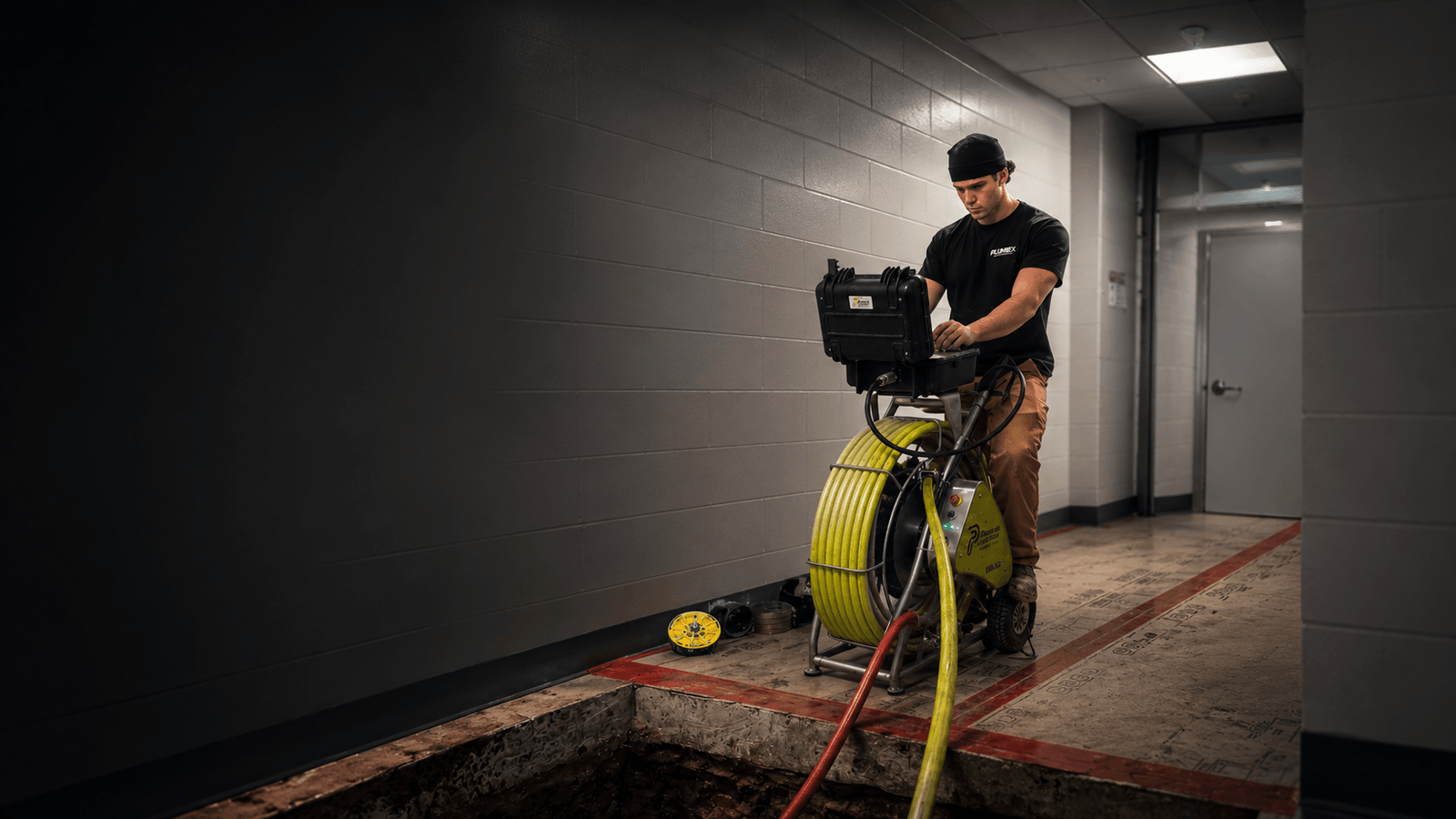
TrenchX rehabilitates qualifying deteriorated manholes from inside the existing structure, addressing infiltration, damaged surfaces, failed joints, and protective lining needs while supporting the surrounding sewer and storm system.
Manhole rehabilitation in Charleston, SC restores qualifying deteriorated sewer and storm structures from inside the existing barrel, cone, bench, and channel. Cracking, surface loss, leaking joints, failed connections, and groundwater infiltration can reduce structural performance and introduce unwanted water into the collection system.
The rehabilitation approach is matched to the documented condition. Active leakage may be controlled first, followed by removal of loose material, repair of damaged surfaces, and preparation for the selected cementitious, coating, or compatible lining system.
Condition assessment also extends to the connected system. sewer inspections can document surrounding pipe conditions, while hydro-jetting and pipeline cleaning can support qualifying preparation needs before rehabilitation.
Where additional interior protection is appropriate, TrenchX can evaluate epoxy coating strategies. Structural defects in connected pipelines can also be evaluated for CIPP lining so the structure and adjoining pipe are considered together.
Schedule a Manhole InspectionManhole deterioration can involve water entry, structural wear, damaged surfaces, joints, channels, and connected piping. The repair plan starts with understanding which conditions are actually present.
Address qualifying groundwater entry through cracks, joints, penetrations, and other openings before installing the final rehabilitation system.
Remove loose or degraded material and rebuild qualifying interior surfaces before protective lining or coating is applied.
Evaluate leaking joints, pipe penetrations, and connections that may introduce groundwater or contribute to continued deterioration.
Restore qualifying flow channels and bench areas affected by erosion, material loss, or long-term exposure to wastewater.
Apply compatible interior protection where documented surface and exposure conditions support a coating-based rehabilitation system.
Explore Epoxy Coating → 06Document the completed structure and evaluate connected sewer or storm piping where broader underground conditions require review.
Explore Inspections →Document deterioration, leakage, connections, access, geometry, and other conditions that influence the rehabilitation plan.
Address qualifying active infiltration, remove unsound material, rebuild damaged areas, and prepare the interior surface.
Install the specified rehabilitation system and complete final inspection or testing appropriate to the project requirements.
Manhole rehabilitation preserves the existing structure while repairing qualifying deterioration from the inside. That can reduce the need to excavate around the entire barrel, disturb surrounding pavement, or reconstruct otherwise serviceable portions of the site.
Rehabilitation still depends on the structure being a suitable candidate. Severe structural failure, major displacement, extensive loss of material, unsafe access, or other conditions may require a different repair or replacement strategy.
TrenchX can also evaluate the infrastructure connected to the structure. Qualifying pipe defects may be addressed with CIPP lining , while interior surface protection may involve epoxy pipe coating . Where pipe condition makes full replacement more appropriate, pipe bursting can be considered separately from the manhole rehabilitation scope.
Compare TrenchX Pipe SolutionsA deteriorated manhole is part of a larger sewer or storm network, often located beneath drives, parking areas, campuses, commercial properties, landscaping, and other developed surfaces. Conditions inside the structure can therefore affect both underground system performance and the property surrounding it.
Rehabilitation planning may need to account for traffic control, equipment staging, pedestrian access, occupied buildings, utility coordination, confined work areas, and the condition of pipes entering and leaving the structure. The repair method has to address the deterioration while fitting normal site operations.
TrenchX can evaluate qualifying manhole rehabilitation for facilities , hospital campuses , and managed properties where structure condition, connected piping, access, traffic, surrounding pavement, occupied areas, and ongoing operations influence the rehabilitation plan. This keeps the manhole work coordinated with the property's larger underground infrastructure and overall site needs.
TrenchX evaluates qualifying manhole rehabilitation, sewer and storm inspection, cleaning, coating, and trenchless rehabilitation needs across Charleston and surrounding South Carolina Lowcountry communities.
Manhole rehabilitation addresses qualifying deterioration from within an existing sewer or storm structure.
The appropriate repair depends on infiltration, structural condition, material loss, surface exposure, connections, access, and the condition of surrounding infrastructure.
These questions explain how TrenchX approaches manhole rehabilitation in Charleston, SC and surrounding Lowcountry communities.
Manhole rehabilitation repairs and protects qualifying deteriorated portions of an existing sewer or storm structure rather than automatically excavating and replacing the entire manhole.
Depending on condition, rehabilitation may address groundwater infiltration, cracks, deteriorated surfaces, leaking joints, damaged connections, bench and channel wear, and other interior defects.
Active entry points are identified first. Qualifying cracks, joints, penetrations, or other leakage locations may require targeted sealing or repair before the final rehabilitation system is installed.
Depending on the documented structure condition and project requirements, compatible cementitious restoration, protective coatings, or other lining systems may be evaluated after the interior has been properly repaired and prepared.
It can be useful when the broader system condition is part of the project. Inspection can help determine whether defects extend into pipes entering or leaving the rehabilitated structure.
TrenchX evaluates qualifying manhole rehabilitation projects across Charleston and surrounding South Carolina Lowcountry communities. Visit the TrenchX service-area directory for county and community coverage information.