

Leak Detection & Sealing in Charleston, SC
TrenchX helps locate qualifying hidden leaks and evaluate targeted sealing or trenchless repair options based on pipe condition, leak location, access, system type, and the surrounding property.
the Leak Area
Needs Repair
Rehab & Verify
Find the Leak. Plan the Right Repair.
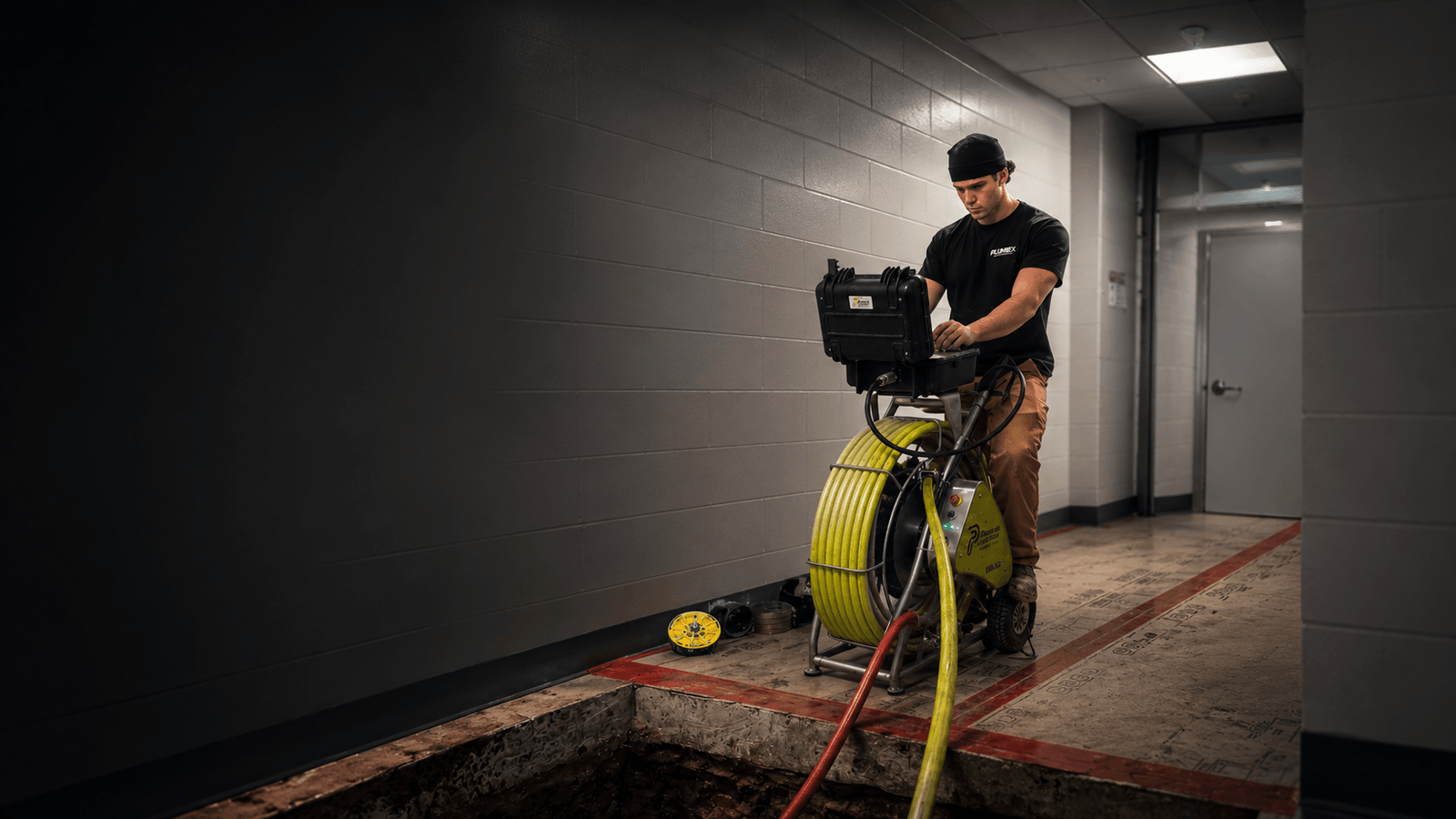
Leak detection and sealing in Charleston, SC starts by narrowing down where qualifying water is entering or escaping the system before unnecessary excavation or repair begins. Depending on the system and site conditions, assessment methods can help isolate a suspected leak area beneath pavement, finished surfaces, soil, or other difficult-to-access portions of a property.
Locating the problem is only the first step. Pipe material, system type, pressure, access, surrounding construction, leak pattern, and the condition of the affected section all influence whether a targeted seal, localized repair, interior coating, or broader rehabilitation approach makes sense. Where internal condition also needs to be documented, sewer inspections can provide additional information before the repair is selected.
For qualifying localized defects, TrenchX can evaluate patch lining or another targeted repair. Where corrosion or deterioration affects a broader interior surface, epoxy pipe coating may be considered, while structural pipe damage may point toward CIPP lining or another rehabilitation method.
Schedule a Leak AssessmentWhat Determines the Right Leak Response
A wet area does not automatically identify the failed pipe or the right repair. System type, leak behavior, access, pipe condition, and the surrounding property all need to be considered together.
Hidden Water Loss
Investigate qualifying unexplained water loss where the source is not readily visible at the surface or around accessible piping.
Difficult Access
Plan around pipe located beneath pavement, finished surfaces, landscaping, buildings, or other areas where unnecessary excavation should be avoided.
Pipe Material & Age
Account for material, age, corrosion, previous repairs, and system history when determining whether the leak is isolated or part of broader deterioration.
Leak Pattern
Determine whether evidence points toward one localized failure, multiple trouble areas, a connection problem, or deterioration extending through a larger pipe section.
Localized Repair
Evaluate targeted reinforcement where a qualifying isolated defect can be addressed without rehabilitating the entire pipe run.
Explore Patch Lining → 06Interior Surface Renewal
Consider compatible coating systems where qualifying corrosion, surface deterioration, or leakage extends beyond one isolated location.
Explore Epoxy Coating →Locate the Source. Repair the Right Area.
Assess & Narrow
Review system behavior, access, visible evidence, pipe layout, and other information that can help narrow the suspected leak area.
Locate & Confirm
Use the appropriate assessment approach to further isolate the qualifying leak before defining the repair scope.
Seal & Verify
Complete the selected repair or rehabilitation and verify the result using methods appropriate to the system and project.
Seal the Problem. Address More Only When Needed.
A leak at one location does not always mean an entire pipe needs to be rehabilitated. When the surrounding system remains serviceable and the failure is isolated, a targeted repair can limit the scope to the portion that actually requires attention.
Repeated leaks, widespread corrosion, multiple defects, deteriorated joints, or structural damage can tell a different story. In those cases, repairing one visible location may leave the underlying pipe condition unresolved.
TrenchX can compare patch lining for certain isolated defects, epoxy pipe coating for qualifying interior surface renewal, and CIPP lining where structural rehabilitation of a larger section is appropriate.
Compare TrenchX Pipe SolutionsFind the Problem Without Guessing Through the Property
Hidden pipe can pass beneath building slabs, paved drives, parking areas, landscaping, equipment rooms, finished interiors, campuses, and other developed portions of a property. When leakage appears, blindly opening these surfaces can create more disruption than the eventual repair itself.
Leak investigation therefore has to account for both the underground system and the site above it. Pipe routing, access, occupied areas, utility conflicts, operating schedules, surrounding finishes, and the ability to isolate portions of the system can all influence the assessment.
TrenchX can evaluate qualifying leak detection and sealing needs for facilities , hospital campuses , and managed properties where locating the source accurately can help reduce unnecessary disturbance while coordinating the repair around ongoing property operations.
Leak Detection & Sealing Across the Charleston Region
TrenchX evaluates qualifying leak detection, targeted sealing, inspection, coating, and trenchless rehabilitation needs across Charleston and surrounding South Carolina Lowcountry communities.
Leak Detection & Sealing FAQs
Hidden leaks should be located and evaluated before the surrounding surface is disturbed or a repair method is selected.
The appropriate response depends on system type, pipe condition, access, leak location, and whether deterioration is isolated or more widespread.
These questions explain how TrenchX approaches qualifying leak detection and sealing in Charleston, SC and surrounding Lowcountry communities.
What is leak detection?
Leak detection uses appropriate assessment methods to help narrow down and identify the source of qualifying water loss before the repair area and method are selected.
Can hidden leaks be located without opening the entire surface?
Depending on system and site conditions, leak assessment can help narrow the suspected area before unnecessary excavation or removal of surrounding finished surfaces begins.
Does every leak require full pipe lining?
No. A qualifying isolated defect may support a targeted repair, while widespread corrosion, repeated leakage, or structural deterioration may justify rehabilitation of a larger pipe section.
Can epoxy coating be used for leaking pipe?
Epoxy pipe coating may be considered where documented pipe material, interior surface condition, deterioration, access, and project requirements support a coating-based rehabilitation approach.
Why should the pipe condition be evaluated after locating a leak?
Locating the leak identifies where water is entering or escaping. Evaluating the pipe condition helps determine whether that point is an isolated failure or evidence of deterioration affecting a larger portion of the system.
Where does TrenchX provide leak detection and sealing?
TrenchX evaluates qualifying leak detection and sealing projects across Charleston and surrounding South Carolina Lowcountry communities. Visit the TrenchX service-area directory for county and community coverage information.