Protect Tenant
and Visitor Access
Entrances, lobbies, sidewalks, parking, loading areas, and tenant spaces can influence where crews and equipment can be staged during underground work.


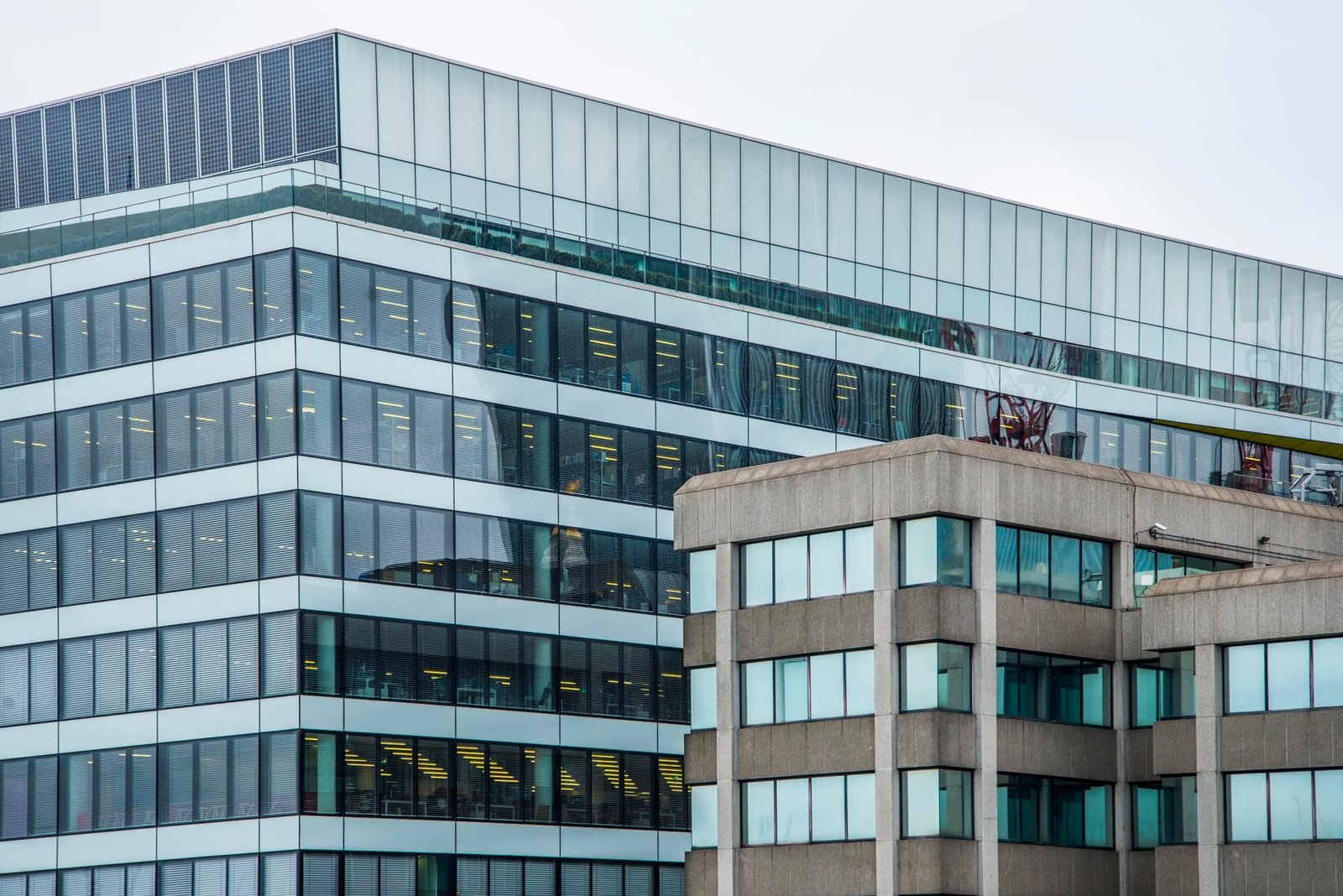
TrenchX helps office properties inspect, clean, maintain, rehabilitate, and replace qualifying sewer and storm systems while planning the work around tenants, building access, parking, plazas, shared amenities, and normal business operations.
Office building sewer services in Charleston, SC often involve pipe running beneath occupied buildings, drives, landscaped areas, plazas, parking, and other finished parts of a commercial property. A recurring backup, damaged lateral, storm-system concern, or deteriorated sewer line can therefore affect both the infrastructure and the people relying on the building above it.
TrenchX begins by documenting what is happening inside the system. Sewer inspections can identify visible defects, restrictions, roots, offsets, and alignment before a repair strategy is selected. When sediment, grease, scale, roots, or debris are limiting the pipe, hydro-jetting and pipeline cleaning can help restore the bore and prepare the system for further evaluation.
If structural work is needed, CIPP lining can rehabilitate qualifying sewer and storm lines from within. Patch lining may address certain localized defects, while pipe bursting can be evaluated when replacement is more appropriate than rehabilitation.
See How TrenchX Approaches Occupied Commercial BuildingsOffice properties can require condition assessment, cleaning, structural rehabilitation, replacement, structure repair, and ongoing system documentation. The condition of the pipe determines which services belong in the final scope.
Rehabilitate qualifying damaged sewer and storm pipe from within using structural CIPP lining while reducing continuous excavation across developed portions of the property.
Explore CIPP Lining → 02Document visible cracks, offsets, roots, restrictions, alignment, and other conditions before defining cleaning, maintenance, rehabilitation, or replacement work.
Explore Sewer Inspections → 03Replace qualifying severely deteriorated or failed pipe through its established route when the existing system is no longer an appropriate structural rehabilitation candidate.
Explore Pipe Bursting → 04Remove qualifying roots, sediment, scale, debris, and buildup from building drains and laterals to improve flow and expose more of the host pipe before rehabilitation.
Explore Hydro-Jetting → 05Address qualifying deterioration and infiltration within manholes and related sewer or storm structures while accounting for drives, plazas, pavement, and surrounding improvements.
Explore Manhole Rehab → 06Use planned inspections, condition records, maintenance tracking, and post-work verification to give building owners and property teams a clearer record of underground infrastructure.
Explore Preventive Maintenance →Entrances, lobbies, sidewalks, parking, loading areas, and tenant spaces can influence where crews and equipment can be staged during underground work.
When the pipe qualifies, trenchless methods can reduce unnecessary excavation across pavement, concrete, landscaping, plazas, and other developed surfaces.
Tenant schedules, deliveries, parking, business hours, shared amenities, and property-management requirements all influence how the field plan should be sequenced.
Office properties remain active workplaces while underground pipe concerns are being addressed. Employees still need entrances and parking. Tenants may operate on different schedules. Visitors, deliveries, landscaping, shared areas, and property-management responsibilities continue around the repair.
TrenchX combines pipe-condition information with those site constraints before field work begins. Depending on the project, that can include cleaning before rehabilitation, selecting practical access locations, staging equipment away from high-use areas, or coordinating trenchless work around lower-impact operating windows.
For qualifying pipe systems, this approach helps keep the scope focused on the underground problem while reducing avoidable disruption to the building and surrounding property.
Explore TrenchX Commercial Project ExperienceA structured process helps office owners and property teams separate routine maintenance from localized defects, structural rehabilitation, and pipe that has reached the point of replacement.
Locate the affected lateral, sewer, storm line, structure, access point, and the portion of the property connected to the concern.
Document visible conditions and remove qualifying buildup or restrictions when cleaning is needed for a clearer assessment.
Match maintenance, localized repair, CIPP lining, structure rehabilitation, or replacement to the actual pipe condition.
Coordinate the work around the property and maintain a clearer record of inspected conditions, completed repairs, and future maintenance needs.
Office buildings share infrastructure and operating challenges with managed properties, retail sites, multi-residential communities, institutional environments, and other occupied properties. Each one still requires a scope tailored to its own underground system.
TrenchX supports organizations, institutions, commercial properties, and active facilities where underground infrastructure work has to account for tenants, employees, access, schedules, parking, equipment movement, and continued building use.






TrenchX serves qualifying office buildings and commercial properties throughout Charleston and surrounding Lowcountry communities. Local service-area pages provide additional information about underground pipe inspection, cleaning, rehabilitation, and replacement by area.
Office sewer and storm systems can run beneath buildings, plazas, parking, drives, landscaped areas, and other parts of an occupied commercial property.
Inspection helps distinguish maintenance-related restrictions from localized defects, structural deterioration, infiltration, and pipe that may require more extensive rehabilitation or replacement.
These questions explain how TrenchX approaches office building sewer services in Charleston, SC and surrounding Lowcountry communities.
TrenchX supports qualifying office properties with sewer inspection, hydro-jetting and cleaning, preventive maintenance, CIPP lining, localized repair, pipe bursting, manhole rehabilitation, and other underground pipe solutions selected according to the existing system condition.
Yes. CCTV inspection can help document visible restrictions, roots, offsets, deterioration, alignment, cracks, and other conditions before maintenance or structural work is defined.
Qualifying trenchless methods can reduce the need for continuous excavation along the pipe alignment. Some access excavation may still be required depending on the pipe, method, surrounding utilities, and property conditions.
CIPP lining can rehabilitate qualifying existing pipe from within. The host pipe must first be evaluated for structural condition, material, diameter, configuration, cleanliness, and access before lining is selected.
Inspection and post-work documentation can provide owners and property teams with a clearer record of pipe condition and completed work. The exact documentation depends on the project scope and inspection requirements.
TrenchX serves qualifying office and commercial properties across Charleston and surrounding South Carolina Lowcountry communities. Visit the TrenchX service-area directory for county and community coverage information.