Restore System
Capacity
Inspection and cleaning can help identify where restrictions, buildup, infiltration, or deterioration are reducing the performance of heavily used sewer and storm systems.


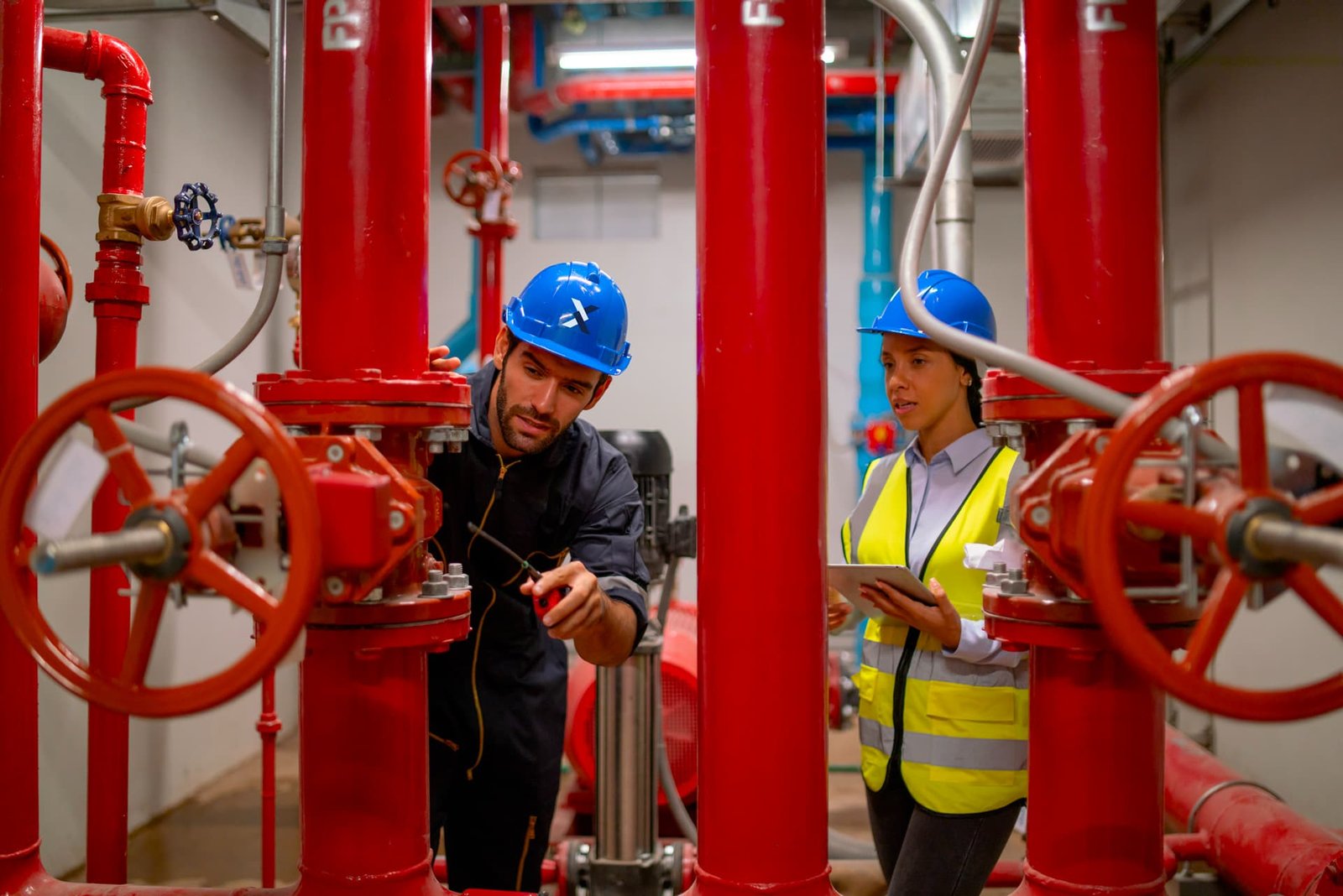
TrenchX helps public and private facilities inspect, clean, maintain, rehabilitate, and replace qualifying sewer and storm infrastructure while planning the work around occupants, access, pavement, buildings, equipment movement, and normal facility operations.
Facility sewer services in Charleston, SC can involve much more than one sewer lateral. Public and private facilities may rely on sanitary sewer, storm drainage, manholes, catch basins, shared mains, building laterals, and underground systems spread across a large or multi-building property.
TrenchX starts by defining the condition of that infrastructure. Sewer inspections can document visible deterioration, restrictions, roots, offsets, structural defects, and other conditions before work is prioritized. When sediment, scale, debris, roots, or other accumulation is reducing capacity, hydro-jetting and pipeline cleaning can help restore qualifying systems and improve the condition assessment.
If structural rehabilitation is needed, CIPP lining can renew qualifying sewer or storm pipe from within. Patch lining may address isolated defects, while manhole rehabilitation can address deteriorated access structures within the larger facility network.
See How TrenchX Approaches Complex FacilitiesFacility infrastructure may require inspection, capacity restoration, structural rehabilitation, manhole work, priority response, and longer-term planning. The documented condition of the system should determine where that work starts.
Document visible defects, restrictions, roots, alignment, deterioration, and other pipe conditions so facility teams can prioritize work using actual system information.
Explore Sewer Inspections → 02Remove qualifying sediment, scale, roots, grease, and debris to improve flow capacity while preparing sewer and storm lines for clearer evaluation or rehabilitation.
Explore Hydro-Jetting → 03Rehabilitate qualifying damaged sewer and storm pipe from within using structural CIPP lining while reducing continuous excavation across developed portions of the facility.
Explore CIPP Lining → 04Address qualifying infiltration, deterioration, and structural concerns within manholes and related sewer or storm structures serving the property.
Explore Manhole Rehab → 05Evaluate qualifying localized failures, damaged sections, and urgent sewer or storm concerns so the affected portion of the system can be identified and an appropriate repair scope defined.
Explore Targeted Repair → 06Combine inspection findings, condition records, maintenance needs, rehabilitation priorities, and site constraints into a clearer plan for aging facility infrastructure.
Explore Preventive Planning →Inspection and cleaning can help identify where restrictions, buildup, infiltration, or deterioration are reducing the performance of heavily used sewer and storm systems.
When pipe conditions allow, trenchless methods can reduce continuous excavation across drives, pavement, walkways, landscaping, and other finished areas.
Access, occupants, work zones, equipment movement, operating hours, maintenance priorities, and internal schedules all help shape the field plan.
Facilities can combine occupied buildings, service areas, loading zones, parking, equipment routes, public access, storage, grounds, and other operating areas across one property. Underground work has to fit into that environment rather than ignore it.
TrenchX combines inspection findings with site logistics before field work begins. Depending on the system, that can mean cleaning first, choosing specific access points, staging equipment outside higher-use areas, or phasing rehabilitation across different portions of the facility.
The objective is to address the documented underground condition while avoiding more disruption than the selected repair actually requires.
Explore TrenchX Facility Project ExperienceLarger facilities can have several underground systems competing for maintenance and capital attention. A condition-based process helps determine what needs to happen first and what can be planned.
Identify affected buildings, laterals, mains, storm lines, structures, access points, and operating areas connected to the concern.
Document restrictions, deterioration, infiltration, structural defects, and other conditions affecting performance or reliability.
Separate routine maintenance from localized repairs, structural rehabilitation, manhole work, and pipe that requires replacement.
Stage work around facility operations and maintain clearer records of inspected conditions, completed rehabilitation, and future maintenance priorities.
Facility sewer and storm planning overlaps healthcare, education, defense, office, property-management, and other environments where multiple systems and continued site use affect underground work.
TrenchX supports organizations, institutions, commercial properties, and active facilities where underground infrastructure work has to account for occupants, access, schedules, equipment movement, maintenance priorities, and continued site use.






TrenchX serves qualifying public, private, institutional, and commercial facilities throughout Charleston and surrounding Lowcountry communities. Explore local pages for inspection, cleaning, rehabilitation, and underground pipe planning by area.
Larger facilities may rely on multiple sewer, storm, manhole, and drainage systems serving different buildings and operating areas.
Inspection helps facility teams distinguish maintenance concerns from localized defects, capacity restrictions, deterioration, infiltration, and infrastructure that requires rehabilitation.
These questions explain how TrenchX approaches facility sewer services in Charleston, SC and surrounding Lowcountry communities.
TrenchX supports qualifying public and private facilities with sewer inspection, hydro-jetting and cleaning, preventive maintenance, CIPP lining, localized repair, pipe rehabilitation, manhole rehabilitation, and other underground solutions selected according to system condition.
Yes. CCTV inspection can help document the location and visible condition of qualifying sewer and storm lines, including restrictions, roots, deterioration, offsets, structural defects, and other conditions that can influence repair planning.
Hydro-jetting can remove qualifying sediment, scale, roots, grease, and debris from certain sewer and storm systems. Cleaning may improve flow and can also help expose the underlying pipe for further inspection.
Qualifying trenchless methods can reduce the need for continuous excavation along a pipe route. Access requirements still depend on the repair method, pipe configuration, utilities, surrounding improvements, and site conditions.
Inspection findings and post-work documentation can help facility teams maintain clearer records of pipe condition, completed work, and future maintenance priorities. Documentation requirements vary by project.
TrenchX serves qualifying public, private, institutional, and commercial facilities across Charleston and surrounding South Carolina Lowcountry communities. Visit the TrenchX service-area directory for county and community coverage information.