Longer Liner Runs
Evaluate circulating hot water through qualifying extended liner installations where a controlled thermal cure supports the specified CIPP system.


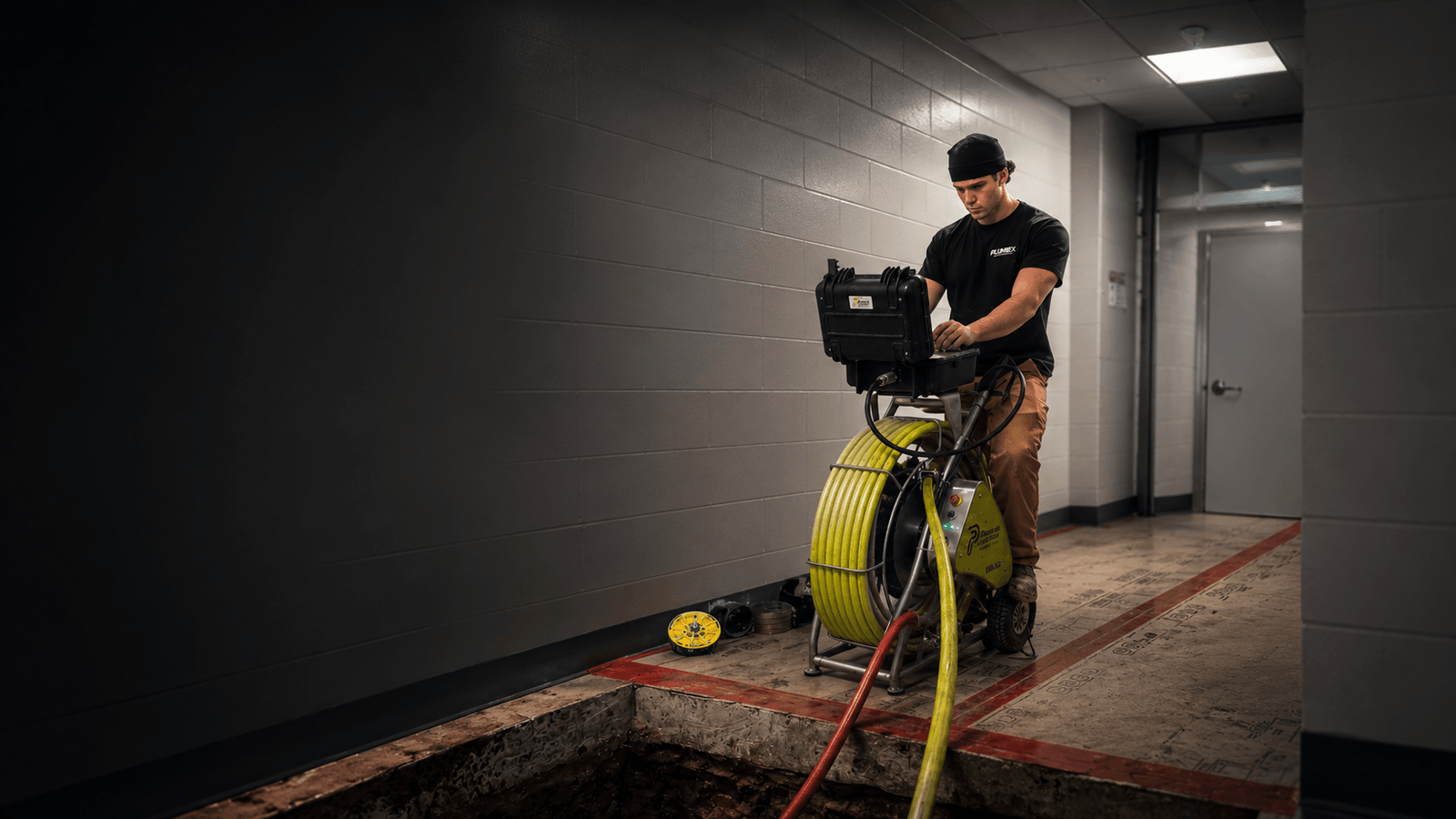
TrenchX uses controlled hot-water circulation to cure qualifying resin-saturated CIPP liner systems, supporting dependable structural rehabilitation across longer runs, larger pipe configurations, and projects where heat curing fits the liner design and field conditions.
Hot water CIPP curing in Charleston, SC circulates heated water through an installed resin-saturated liner to initiate and complete the curing process. Temperature and circulation are managed through the cure cycle so the liner develops according to the requirements of the specified rehabilitation system.
Heat curing is an established approach that can support qualifying longer pipe runs and larger-diameter systems where liner size, configuration, resin chemistry, access, or project requirements make a thermal cure appropriate. The method is selected as part of the complete CIPP design rather than as a stand-alone repair.
Before curing begins, sewer inspections help document host-pipe condition, while hydro-jetting and pipeline cleaning can remove qualifying buildup and prepare the pipe for structural lining. The host pipe must be ready before the liner is installed and heated.
Hot water curing ultimately supports CIPP lining . Depending on the liner system and installation plan, TrenchX may also evaluate inversion lining for liner placement or UV curing where a light-activated system better fits the project.
Schedule a Pipe InspectionHeat curing is evaluated within the full rehabilitation plan. Pipe size, run length, liner construction, resin chemistry, access, field conditions, and project requirements all influence whether it is the right cure method.
Evaluate circulating hot water through qualifying extended liner installations where a controlled thermal cure supports the specified CIPP system.
Apply a thermal cure where pipe diameter, liner construction, and project design support heated-water circulation through the installed liner.
Monitor curing conditions throughout the process to maintain the temperature profile required by the liner and resin system.
Use hot water curing as one stage of a structural rehabilitation system designed around the condition and geometry of the host pipe.
Explore CIPP Lining → 05Coordinate the cure cycle with the method selected to position, inflate, and maintain contact between the liner and host pipe.
Explore Inversion → 06Reinspect the renewed system after rehabilitation to document the completed liner and support final project records.
Explore Inspections →Inspect and clean the qualifying pipe, confirm dimensions and access, and prepare the host surface for structural lining.
Position the liner and circulate controlled heated water through the system according to the specified thermal cure requirements.
Finish the cure cycle, allow the system to transition as required, and inspect the rehabilitated pipe for project documentation.
Hot water curing and UV curing both serve the larger CIPP rehabilitation process, but they cure compatible liner systems in different ways. The right choice depends on more than which method completes the cure faster.
Pipe diameter, liner length, resin chemistry, liner construction, access, installation method, staging requirements, and the existing pipe condition all have to be considered before the cure system is selected.
TrenchX can evaluate hot water curing against UV curing within the broader CIPP lining plan. If the pipe does not remain suitable for rehabilitation, pipe bursting may provide a replacement path instead.
Compare TrenchX Pipe SolutionsLarger and longer underground pipe systems create different planning considerations than short service laterals. Equipment placement, access structures, liner handling, water circulation, project staging, shutdown windows, and the amount of rehabilitated pipe all influence how the cure process is organized in the field.
On active properties, the rehabilitation plan also has to account for what happens above the line. Drives may need to remain open, buildings may stay occupied, facilities teams may have limited shutdown periods, and crews may need to work from specific access points instead of choosing staging locations solely for convenience.
Hot water curing can be evaluated for qualifying systems serving facilities , schools and campuses , and managed properties where pipe length, diameter, field access, surrounding development, operational requirements, and the liner system all need to be coordinated. The cure method becomes one part of a larger plan built around restoring the underground asset without losing sight of how the property operates, how crews can access and stage the work, and how service interruptions, circulation, and occupied areas need to be managed throughout the project.
TrenchX evaluates qualifying hot-water-cured CIPP rehabilitation, inspection, cleaning, liner installation, and cure requirements across Charleston and surrounding South Carolina Lowcountry communities.
Hot water curing uses controlled thermal energy to cure compatible CIPP liner and resin systems after installation.
Suitability depends on the pipe, liner construction, resin chemistry, run length, diameter, access, installation approach, and project requirements.
These questions explain how TrenchX approaches hot water CIPP curing in Charleston, SC and surrounding Lowcountry communities.
Hot water curing circulates heated water through an installed resin-saturated CIPP liner to initiate and complete the cure according to the requirements of the specified lining system.
After the liner is positioned in the host pipe, heated water is circulated through the system. Temperature and cure conditions are controlled so the compatible resin polymerizes and the liner develops its finished structural properties.
It may be considered for qualifying CIPP systems where pipe diameter, liner length, resin chemistry, installation method, access conditions, and project design support a thermal cure.
No. Hot water curing uses controlled heat, while UV curing uses ultraviolet light to activate compatible resin systems. Both can be used within CIPP rehabilitation, but the liner and project must be designed for the selected cure method.
Yes. The host pipe needs to be inspected and properly prepared before liner installation. Qualifying roots, grease, scale, sediment, debris, and other restrictions may need to be removed first.
TrenchX evaluates qualifying hot-water-cured CIPP rehabilitation projects across Charleston and surrounding South Carolina Lowcountry communities. Visit the TrenchX service-area directory for county and community coverage information.