
Underground pipe problems rarely begin with a repair method. They begin with a condition. That could mean recurring backups, restricted flow, root intrusion, corrosion, leakage, structural damage, or a failed section of pipe.
That is why TrenchX approaches underground pipe repair in Charleston, SC from the condition first. First, the team works to understand what is happening below the surface. Then the pipe, property, access, and project requirements can be considered together.
TrenchX has also expanded its Resource Center, Solutions library, Industry pages, and Charleston-area service information. These updates make it easier to move from a visible problem to the information that can help explain the next step.
Start With the Underground Condition
Two properties can show similar symptoms and still need different solutions. For example, a recurring sewer backup may come from grease, roots, a displaced joint, pipe deterioration, or a structural failure farther downstream.
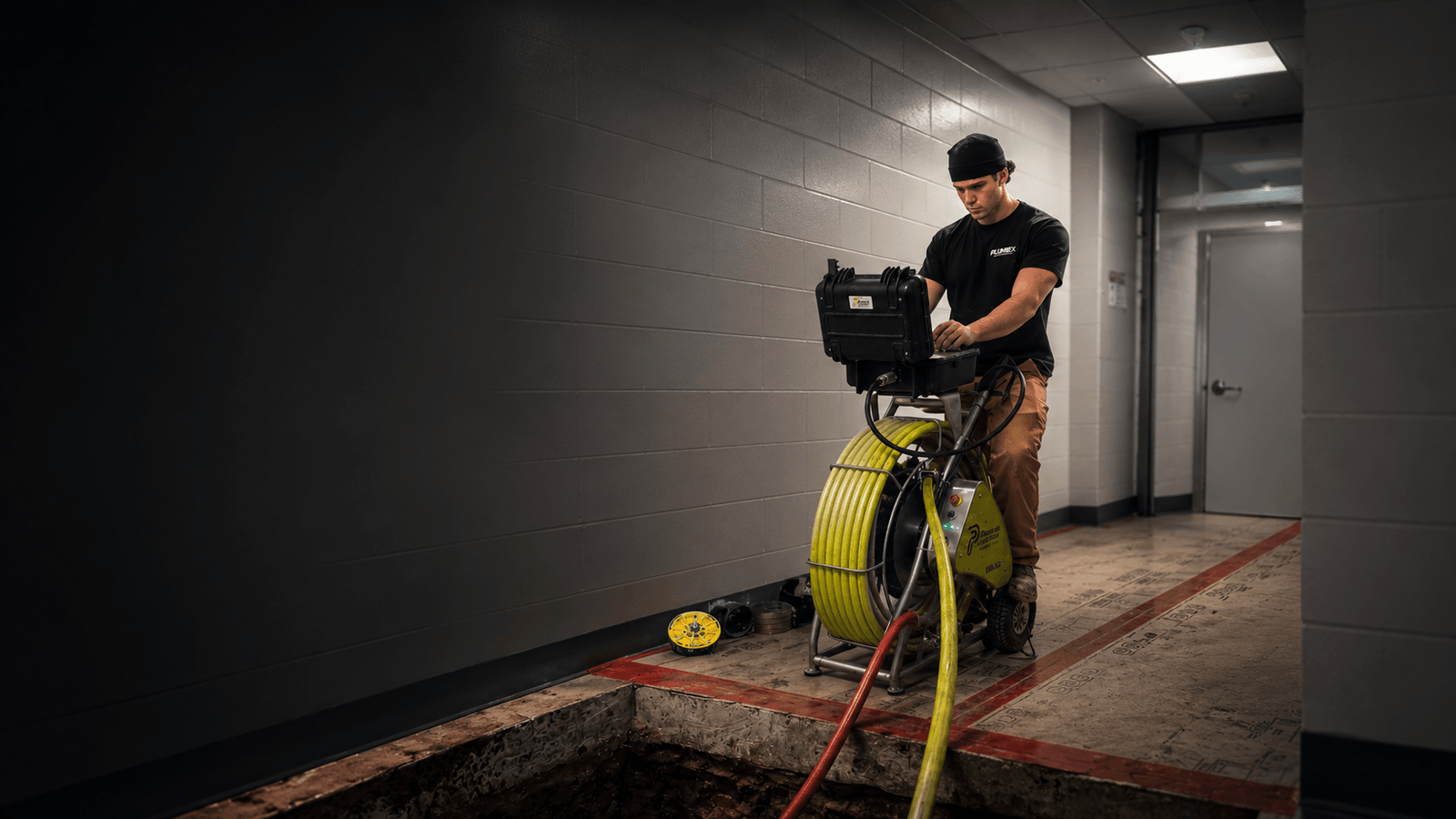
Therefore, the symptom alone should not determine the repair. Sewer inspections can help document visible pipe conditions, defect locations, obstructions, connections, and alignment concerns.
From there, TrenchX can consider the condition alongside pipe material, diameter, access, property use, and surrounding infrastructure. In some cases, cleaning may restore usable flow. In others, the pipe may need a localized repair, structural rehabilitation, or replacement.
Cleaning Comes Before Repair When the Pipe Needs It
Buildup can make an otherwise serviceable pipe perform poorly. It can also prevent inspection equipment from clearly documenting the host pipe.
Grease, sediment, roots, scale, and debris may reduce usable pipe diameter. They can also hide defects that need to be evaluated before a repair method is selected.
TrenchX uses hydro-jetting and pipeline cleaning to address qualifying buildup with controlled high-pressure water. If root intrusion is present, sewer root removal can help clear qualifying root masses before the pipe is evaluated further.
As a result, cleaning may serve two purposes. It can improve flow, and it can prepare the pipe for inspection, coating, lining, or another rehabilitation method.
Rehabilitate the Existing Pipe When the Host System Supports It
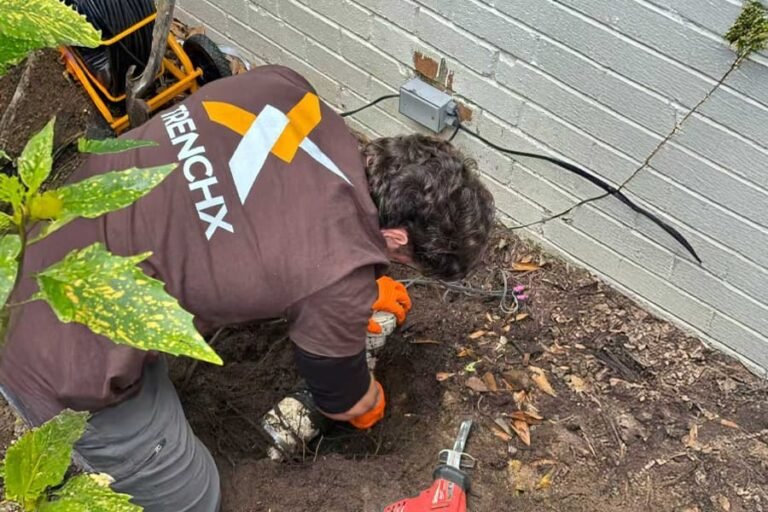
Excavation is not always necessary when an underground pipe begins to fail. Qualifying host pipes can often be rehabilitated from the inside.
This approach can preserve much of the existing alignment. It may also reduce disruption to pavement, landscaping, buildings, parking areas, and other developed surfaces.
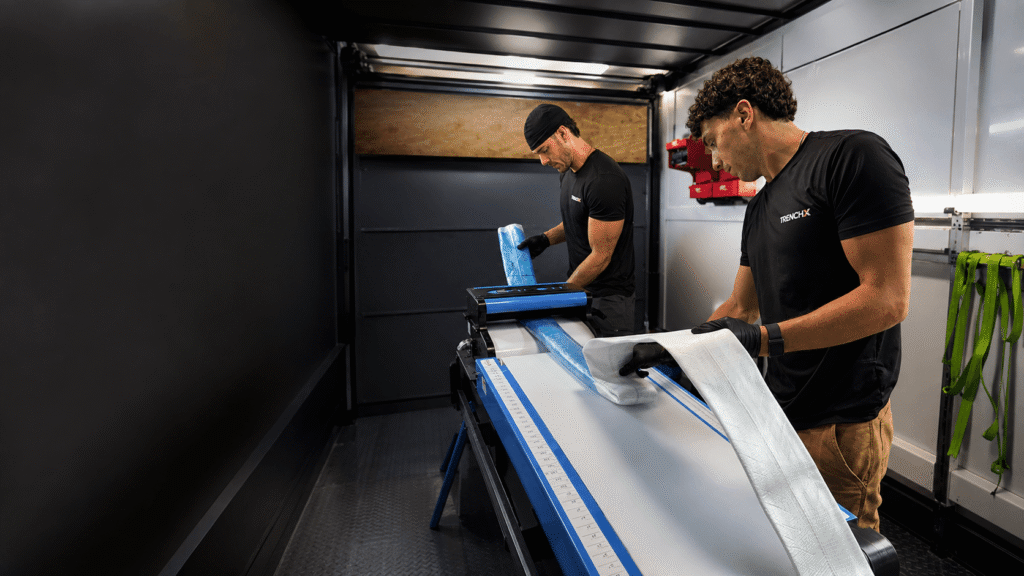
CIPP lining creates a structural liner inside the existing pipe. Depending on the project, installation and curing may involve inversion, ultraviolet curing, or controlled hot-water curing.
However, full-length lining is not always necessary. Patch lining may reinforce a localized defect without rehabilitating the entire run.
Likewise, epoxy pipe coating may be considered when the need involves compatible internal surface protection rather than structural lining.
In short, trenchless rehabilitation is not one product. It is a group of methods. The documented host-pipe condition helps determine which methods should be considered.
Replace the Pipe When Rehabilitation Is Not the Right Fit
Some pipes have deteriorated beyond the point where preserving the host pipe makes sense. Severe collapse, missing pipe, unsuitable materials, major deformation, or other structural conditions may require replacement.
Pipe bursting can replace qualifying failed pipe along an established alignment. Instead of opening the entire corridor, the process typically uses planned access points.
This can be useful where the line passes beneath driveways, pavement, landscaping, parking areas, or other developed portions of a property.
For new underground installations, horizontal directional drilling provides another trenchless option. HDD can establish a new bore beneath roads, utilities, developed areas, and other surface obstacles.
Pipe Size Changes the Project
Pipe diameter can change equipment needs, access requirements, liner design, structural demands, and project logistics. Depth and system use matter too.
TrenchX provides dedicated information for 2-inch to 8-inch no-dig pipe repair on qualifying smaller-diameter systems.
The site also includes 12-inch to 36-inch no-dig pipe repair information for larger commercial, institutional, stormwater, and infrastructure applications.
As a result, property owners and project teams can better understand how planning changes between service lines, building systems, sewer mains, and larger underground networks.
Manholes and Connected Structures Matter Too
The pipe is only one part of many underground collection systems. Manholes can also deteriorate, leak, lose surface material, or develop failed joints.
Manhole rehabilitation allows qualifying structures to be restored from the inside. The method is selected around the documented condition of the structure.
Meanwhile, connected pipelines can be inspected separately. This helps the project team look at the broader underground network instead of treating every component as an unrelated repair.
Preventive Maintenance Changes the Conversation
The best time to understand an underground system is not always after a failure. Regular inspection and maintenance can identify developing concerns before they dictate the project schedule.
High-use commercial drains, mature tree corridors, aging sewer systems, multi-building properties, and infrastructure portfolios may all benefit from recurring condition monitoring.
A preventive maintenance program can combine inspection, cleaning, root management, and condition documentation around the needs of the property.
In addition, leak detection and sealing can help identify qualifying leakage when unexplained water loss or infiltration is part of the concern.
The Property Above the Pipe Changes the Plan
Underground repair decisions cannot be made by looking at the pipe alone. Access, traffic, pavement, landscaping, occupancy, utilities, operating hours, and available staging space can all affect the project.
For that reason, TrenchX expanded its Industries section. The new pages organize underground pipe information around the environments where the work actually takes place.
Dedicated information is available for residential properties, property management, multi-residential properties, food and beverage properties, office buildings, and facilities.
Ultimately, the underground condition helps determine what is technically possible. The property helps determine how the work should be planned.
Expanded TrenchX Service Areas Across the Charleston Region
TrenchX has also expanded its service-area library. Property owners throughout the South Carolina Lowcountry can now find local information connected to underground pipe inspection, cleaning, rehabilitation, and no-dig repair.
Dedicated pages are available for Charleston, North Charleston, Mount Pleasant, Summerville, and Goose Creek.
The expanded system also covers communities across Charleston, Berkeley, Dorchester, Beaufort, and Colleton counties.
Each location page follows the same basic principle. First, understand the property and underground system. Next, document the condition. Then determine the appropriate next step.
The TrenchX Resource Center Is Built to Keep Growing
The new TrenchX Resource Center gives the site a dedicated home for deeper underground pipe education.
Instead of limiting technical information to service pages, TrenchX can now publish practical guides about inspections, recurring problems, rehabilitation methods, maintenance, and project planning.
These resources are not designed to diagnose a pipe through a website. Instead, they help owners, managers, contractors, facility teams, and project stakeholders understand the questions that should be answered before a repair decision is made.
As the Resource Center grows, each guide can connect readers to relevant solutions, industries, and service areas.
What the Expanded TrenchX Site Means for Project Planning
The expanded TrenchX site follows a simple project-planning path.
- Document the condition. First, determine what is actually happening inside or around the underground system.
- Address preparation needs. Next, clean, locate, expose, or otherwise prepare the system when required.
- Compare appropriate methods. Then determine whether the condition supports maintenance, localized repair, rehabilitation, coating, or replacement.
- Plan around the property. Consider access, operations, pavement, utilities, structures, occupants, and the infrastructure above the pipe.
- Verify the work. Finally, inspection and documentation can help confirm the completed condition and support future planning.
The objective is not to start with a trenchless technology. It is to understand the underground system well enough to choose the right one.
Underground Pipe Planning
Frequently Asked Questions About TrenchX Pipe Solutions
Every underground system is different. However, these questions explain how TrenchX approaches inspection, rehabilitation, and no-dig project planning.
Does TrenchX only perform trenchless pipe lining?
No. TrenchX provides sewer inspections, hydro-jetting, root removal, CIPP lining, patch lining, epoxy coating, pipe bursting, horizontal directional drilling, manhole rehabilitation, leak detection, preventive maintenance, and other qualifying underground pipe solutions.
The appropriate method depends on the documented pipe condition and the requirements of the project.
How do I know whether a pipe needs cleaning, lining, or replacement?
The decision should be based on pipe condition, material, geometry, access, structural integrity, defects, restrictions, and property conditions.
Inspection is often an important first step because similar symptoms can come from very different underground problems.
Does TrenchX work on residential and commercial properties?
TrenchX evaluates qualifying residential, commercial, multi-residential, property-management, institutional, facility, and infrastructure pipe systems.
Pipe diameter, system type, access, and documented condition help determine which services are appropriate.
What areas does TrenchX serve around Charleston?
TrenchX serves Charleston and communities throughout the surrounding South Carolina Lowcountry.
Dedicated service-area information is available for Charleston, North Charleston, Mount Pleasant, Summerville, Goose Creek, and communities across Charleston, Berkeley, Dorchester, Beaufort, and Colleton counties.
Where can I find TrenchX underground pipe guides?
The TrenchX Resource Center contains guides covering pipe conditions, inspections, cleaning, maintenance, rehabilitation, replacement, and project planning.
Start With the Pipe, Then Build the Plan
Underground infrastructure is easier to plan when the condition is known before a repair method is selected.
The concern may involve buildup, roots, leakage, a localized defect, structural deterioration, a failed line, or a new underground installation. Either way, the first objective is the same: understand what is happening.
TrenchX can evaluate qualifying underground pipe systems throughout Charleston and the surrounding South Carolina Lowcountry. From there, the next step can be built around the documented condition and the property.