
CIPP lining and pipe bursting are both trenchless repair methods, but they solve different underground pipe problems. One rehabilitates a qualifying existing pipe from the inside. The other replaces a qualifying failed pipe along the existing underground alignment.
That difference matters. When comparing CIPP lining vs pipe bursting in Charleston, SC, the decision should begin with the condition of the pipe, not simply with which technology sounds less disruptive.
TrenchX evaluates the underground system, pipe material, diameter, access, structural condition, surrounding property, and project requirements before determining which repair methods should remain under consideration.
Start With the Pipe Condition
Similar symptoms can come from very different underground problems. A recurring backup, restricted flow, infiltration, or repeated service issue does not automatically mean a pipe needs to be lined or replaced.
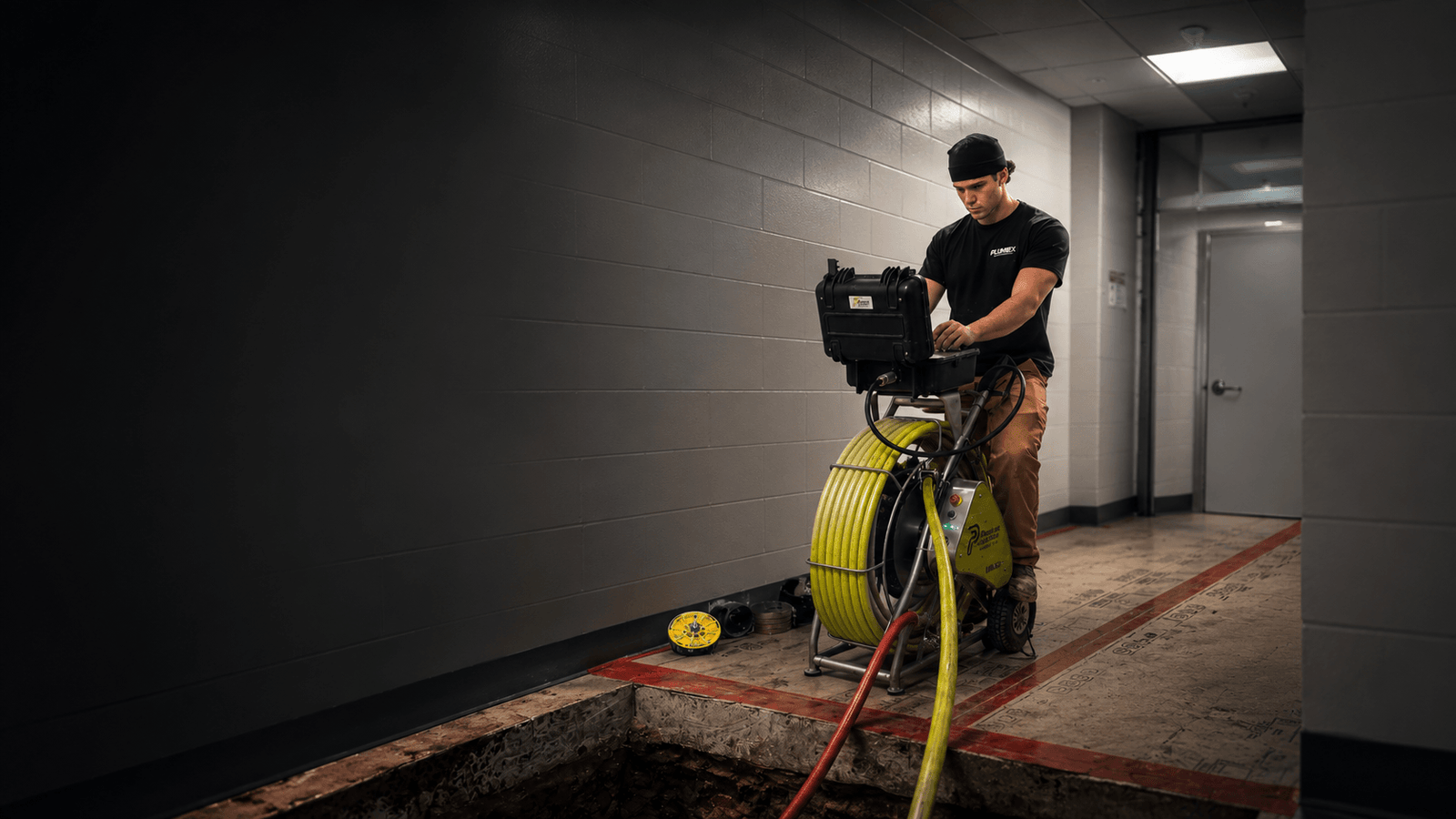
First, sewer inspection can help document visible defects, deformation, failed joints, roots, obstructions, structural concerns, and other conditions inside the line.
If buildup limits visibility, hydro-jetting and pipeline cleaning may be needed before the host pipe can be properly evaluated.
Once the condition is documented, the project can move from guessing at a repair to comparing methods that actually fit the system.
When CIPP Lining May Fit the Project
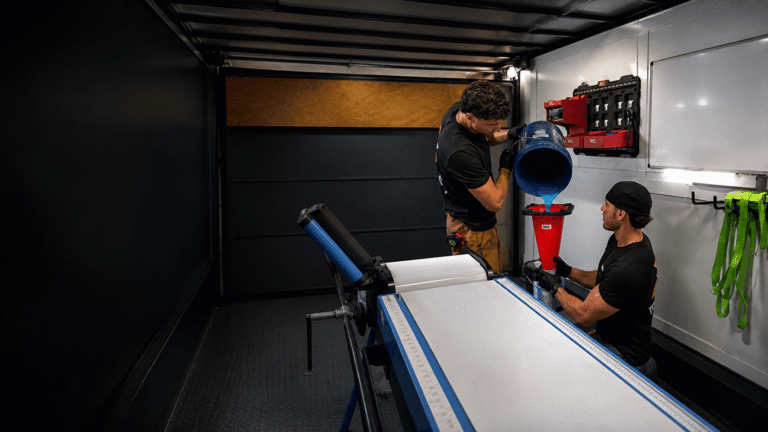
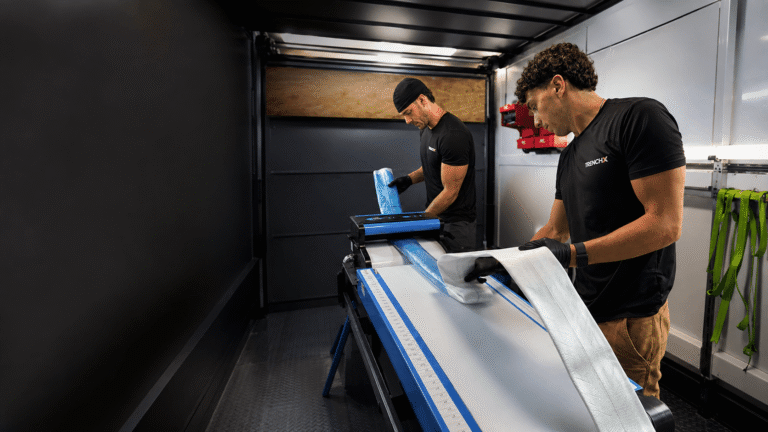
Cured-in-place pipe lining rehabilitates a qualifying existing pipe from the inside. A resin-saturated liner is installed through existing or planned access and then cured to form a structural liner within the original pipe.
Because the existing alignment remains in place, CIPP may reduce disruption to pavement, landscaping, parking areas, buildings, and other developed surfaces above the line.
Depending on the project, installation and curing can involve methods such as inversion, ultraviolet curing, or controlled hot-water curing. However, the host-pipe condition still matters. Not every damaged pipe is an appropriate candidate for lining.
The objective is to confirm that rehabilitation makes sense before selecting the lining process.
When Pipe Bursting May Be the Better Direction
Pipe bursting approaches the problem differently. Instead of rehabilitating the existing pipe, it replaces a qualifying failed line along the established route.
During the process, a bursting head fractures or displaces the old pipe while the replacement pipe is pulled into position. Planned access points are still required, but the entire underground corridor may not need to be opened from end to end.
Pipe bursting may be considered when the existing pipe is too deteriorated, badly deformed, collapsed, structurally unsuitable, or otherwise a poor candidate for rehabilitation.
In those situations, replacing the pipe can make more sense than preserving the host structure.
CIPP Rehabilitates the Pipe. Pipe Bursting Replaces It.
The simplest way to compare the two methods is by what happens to the existing pipe.
- CIPP lining: rehabilitates a qualifying existing pipe by creating a structural liner inside it.
- Pipe bursting: replaces a qualifying existing pipe while generally following the established underground alignment.
Neither approach is automatically better. Instead, each method answers a different structural need.
Therefore, the useful question is not, “Which trenchless method is best?” It is, “Which method fits the documented condition of this pipe and this property?”
The Property Above the Pipe Matters Too
Underground repair planning cannot be separated from the property above the line. Driveways, pavement, landscaping, building interiors, utilities, occupied spaces, parking areas, and pedestrian routes can all affect access and project logistics.
That becomes especially important for property management , multi-residential properties , commercial facilities, and other sites where normal operations may need to continue around the work.
Trenchless methods can reduce surface disruption. Even so, staging, access, equipment, utilities, and operating conditions still need to be part of the repair plan.
Pipe Diameter Can Change the Repair Plan
Diameter, depth, length, access, structural requirements, and system use can change the equipment and project design.
TrenchX provides dedicated planning information for 2-inch to 8-inch no-dig pipe repair as well as 12-inch to 36-inch no-dig pipe repair .
As a result, a small service connection, commercial building drain, sewer main, and larger infrastructure pipe may require very different access, liner, replacement, and project-planning considerations.
Sometimes the Pipe Needs Neither Full Lining nor Replacement
CIPP lining and pipe bursting are not the only possibilities. Inspection may show that the problem is limited to a smaller section of an otherwise serviceable pipe.
In that situation, patch lining may be considered for a qualifying localized defect.
Other systems may need cleaning, root removal, leak sealing, coating, or preventive maintenance rather than full structural rehabilitation.
Matching the scope of the repair to the scope of the actual problem can help prevent a project from starting with a larger intervention than the documented condition requires.
How TrenchX Approaches the Comparison
TrenchX uses a condition-first process when comparing CIPP lining, pipe bursting, and other underground repair methods.
First, the team works to document what is happening inside the pipe. Next, preparation needs such as cleaning or root removal can be addressed when necessary.
Then the condition of the host pipe can be compared with the structural, access, property, and project requirements. From there, rehabilitation, localized repair, replacement, or another method can be considered.
The goal is not to begin with a preferred trenchless technology. It is to understand the underground system well enough to choose a method that fits the documented condition.
CIPP Lining vs Pipe Bursting in Charleston, SC
Properties throughout Charleston and the surrounding Lowcountry can present challenging underground access. Pavement, brick, landscaping, buildings, utilities, occupied properties, and active commercial sites can all make conventional excavation more disruptive.
TrenchX evaluates qualifying underground systems in Charleston and surrounding service areas with an inspection-led approach.
Depending on what the system shows, the next step may involve cleaning, localized rehabilitation, CIPP lining, pipe bursting, or another underground repair method.
The correct path depends on the pipe, the property, and the project.
Trenchless Repair Planning
Frequently Asked Questions About CIPP Lining vs Pipe Bursting
Both methods can reduce full-length excavation, but they address different underground pipe conditions.
What is the main difference between CIPP lining and pipe bursting?
CIPP lining rehabilitates a qualifying existing pipe by creating a structural liner inside it. Pipe bursting replaces a qualifying existing pipe by displacing or fracturing the old line while pulling a new pipe into position.
Is CIPP lining always better because the existing pipe stays in place?
No. CIPP depends on the documented condition of the host pipe and the requirements of the project. Some severely deteriorated, collapsed, deformed, or otherwise unsuitable pipes may need replacement instead of rehabilitation.
Does pipe bursting require excavation?
Pipe bursting generally requires planned access points. However, it can reduce the need to excavate the entire pipe route compared with conventional open-trench replacement.
How does TrenchX determine which trenchless method to consider?
TrenchX evaluates pipe condition, material, diameter, structural integrity, access, alignment, surrounding property conditions, and project requirements before determining which repair or replacement methods should be considered.
Can a sewer inspection show whether I need lining or pipe bursting?
Inspection can help document visible defects, restrictions, deformation, failed joints, structural concerns, and other conditions that influence the repair decision. Cleaning, access planning, or additional project evaluation may also be needed before a final method is selected.
Inspect the Pipe Before Choosing the Repair
CIPP lining and pipe bursting are both valuable trenchless technologies, but they are not interchangeable.
One rehabilitates a qualifying host pipe. The other replaces a qualifying failed pipe. In some cases, neither may be the appropriate first choice.
TrenchX can evaluate qualifying underground pipe systems throughout Charleston and the surrounding South Carolina Lowcountry. Once the condition is understood, the repair plan can be built around the pipe and the property above it.