Hydro-jetting can be an effective way to remove grease, roots, sediment, scale, and other buildup from qualifying sewer and underground drainage lines. In many cases, cleaning restores usable flow and gives the pipe a much better operating condition.
However, cleaning and structural repair are not the same thing.
If a sewer line keeps backing up, loses flow again soon after cleaning, or shows visible cracking, deformation, failed joints, infiltration, or other structural concerns, the problem may extend beyond what hydro-jetting can solve by itself.
When comparing hydro jetting vs sewer repair in Charleston, SC, TrenchX starts by determining whether the problem is primarily a restriction inside the pipe or a defect in the pipe itself.
What Hydro-Jetting Is Designed to Do
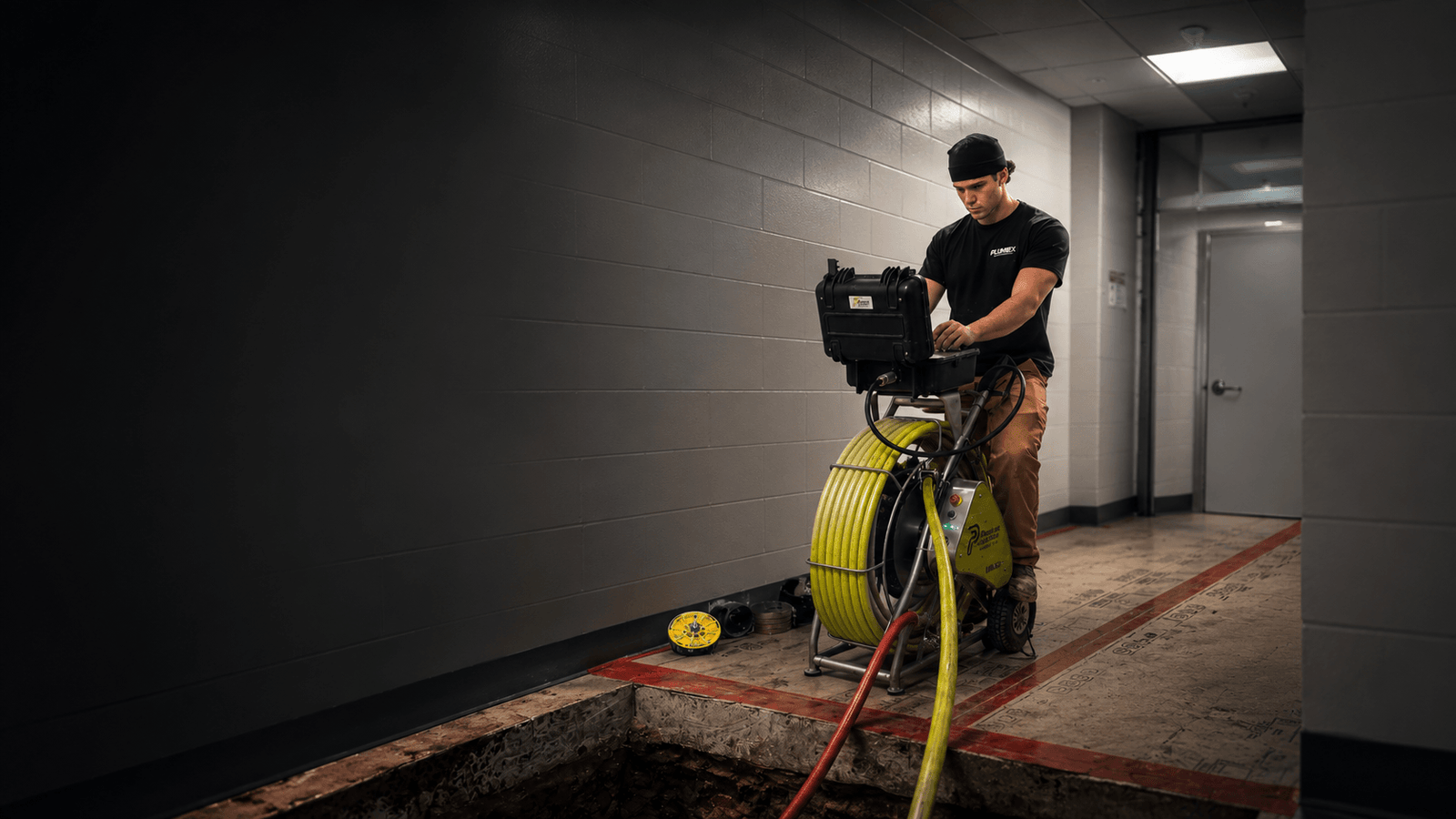
Hydro-jetting and pipeline cleaning use high-pressure water and professional cleaning equipment to remove qualifying material from the interior of a pipe.
Depending on the system, cleaning may address grease, sediment, scale, roots, debris, and other restrictions that reduce usable pipe diameter or interfere with flow.
Hydro-jetting can also prepare a pipe for sewer inspection by improving visibility inside the line.
That preparation step matters because the pipe wall cannot be properly evaluated if the camera only sees buildup.
When Hydro-Jetting May Be Enough
Some sewer problems are primarily maintenance problems rather than structural failures.
For example, a commercial drain may accumulate grease over time. A sewer line may collect sediment. Roots may begin restricting flow through a vulnerable joint. A heavily used system may simply need periodic cleaning to maintain usable capacity.
If the host pipe remains serviceable and the restriction can be removed, cleaning may restore flow without requiring structural rehabilitation.
In those situations, preventive maintenance may help reduce the chance that the same buildup becomes an emergency again.
Recurring Backups After Cleaning Can Point to a Larger Problem
A line that improves after hydro-jetting but quickly begins backing up again deserves a closer look.
The recurring restriction may indicate that the underlying pipe condition is contributing to the problem.
Roots may be entering through a failed joint. Debris may be catching on an offset. A deformed section may be reducing usable flow. A structural defect may also be creating a location where material repeatedly collects.
In these cases, repeated cleaning may address the symptom without correcting the condition that keeps creating it.
Root Intrusion Is a Good Example
Roots can often be removed from qualifying sewer lines, but root removal alone does not necessarily resolve the point of entry.
If roots are entering through a crack, joint, opening, or another defect, they may return after cleaning.
That is why root removal and inspection often work together.
First, the restriction can be cleared. Then the pipe can be evaluated to determine whether the host structure needs localized repair, lining, or another rehabilitation approach.
Cracks and Structural Defects Cannot Be Cleaned Away
Hydro-jetting can remove material from the pipe wall, but it cannot repair a structural crack.
If inspection documents cracking, fractures, structural deterioration, or similar defects, the next step may need to involve rehabilitation rather than additional cleaning.
A qualifying pipe may be evaluated for CIPP lining , which creates a structural liner within the existing host pipe.
If the problem is limited to a smaller section, patch lining may be considered instead.
Failed Joints Can Keep Creating Restrictions
Underground pipe joints can shift, separate, or become misaligned over time.
Those changes can create openings for roots, locations where debris catches, or irregular transitions that interfere with flow.
Cleaning may improve the immediate blockage, but it does not realign or structurally repair the joint.
Inspection can help document the location and severity of the condition so the repair scope can be matched to the actual defect.
Pipe Deformation Changes the Conversation
A pipe that has become oval, flattened, displaced, or otherwise deformed may have a structural problem rather than a cleaning problem.
In that case, hydro-jetting might remove material from the line but cannot restore the pipe to its original geometry.
Deformation can also affect whether the host pipe is suitable for lining. Severe conditions may shift the project toward replacement.
For that reason, TrenchX evaluates both structural condition and geometry before recommending a rehabilitation method.
When the Host Pipe May Need CIPP Rehabilitation
CIPP lining may be considered when the existing pipe remains a suitable host for structural rehabilitation.
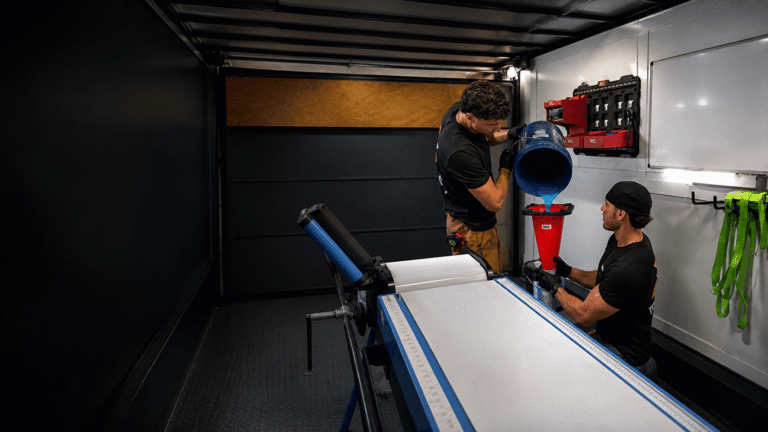
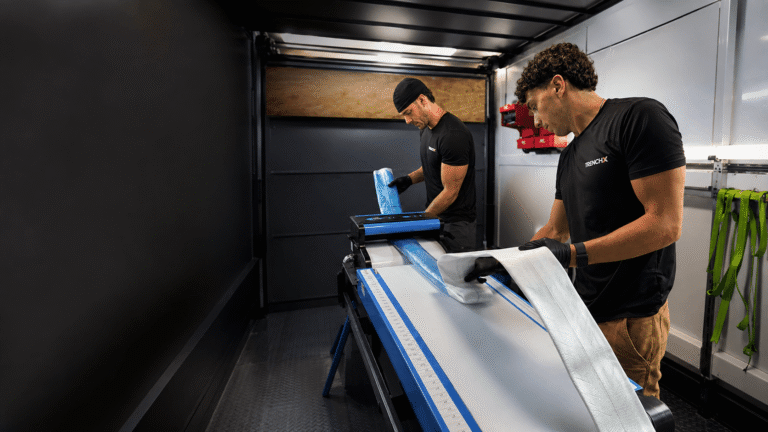
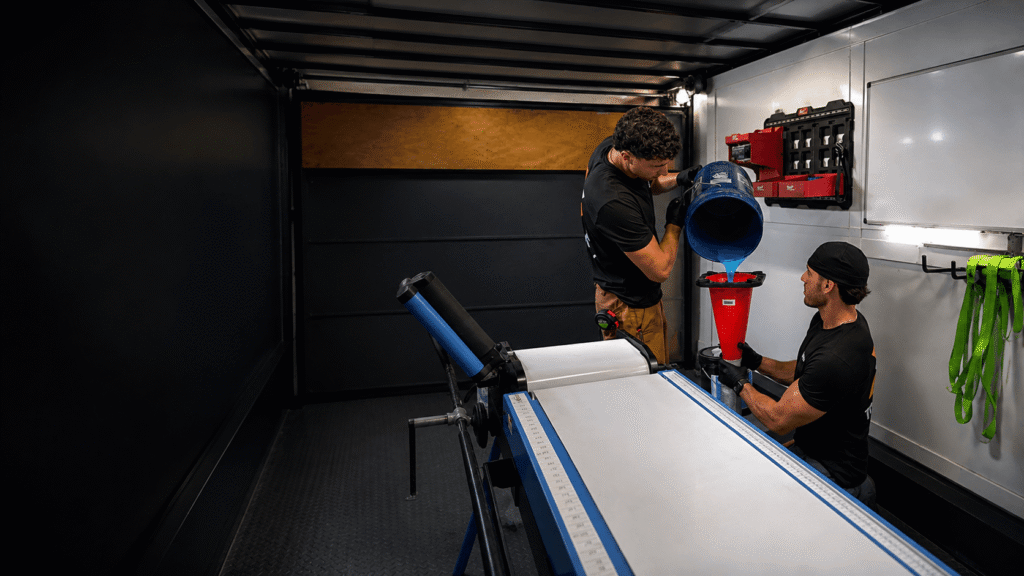
A resin-saturated liner is installed inside the existing pipe and cured to create a structural pipe within the original alignment.
This approach can reduce the need for full-length excavation while preserving the established underground route.
However, lining should follow inspection and preparation. The pipe needs to be cleaned, evaluated, and confirmed as an appropriate candidate before the installation method is selected.
When Pipe Replacement May Be More Appropriate
Some sewer lines are too deteriorated for internal rehabilitation.
Severe collapse, major deformation, missing pipe sections, substantial structural loss, or other conditions may make replacement more appropriate.
In qualifying situations, pipe bursting may allow the failed pipe to be replaced along the established alignment with less surface disruption than conventional full-length excavation.
The key distinction is simple: cleaning removes restrictions, while replacement addresses a pipe that can no longer perform structurally.
Hydro-Jetting Can Be Part of the Rehabilitation Process
Cleaning and rehabilitation are not competing services. In many projects, hydro-jetting is part of the preparation required before structural work begins.
For example, buildup may need to be removed so inspection equipment can clearly document the host pipe. Once visibility improves, the condition can be evaluated before lining, patching, coating, or another rehabilitation method is selected.
As a result, a sewer line that eventually receives CIPP rehabilitation may still require hydro-jetting first.
Cleaning Helps Reveal the Actual Pipe Condition
Removing grease, roots, sediment, or other restrictions can expose areas that were previously hidden from view.
After cleaning, an inspection may reveal a serviceable pipe, a localized defect, broader structural deterioration, or another condition that changes the repair plan.
That distinction is important because the next step should be based on the pipe itself, not simply on the fact that a blockage occurred.
Signs the Problem May Be More Than a Clog
Several patterns can suggest that a sewer problem deserves more than routine cleaning.
- Backups return soon after cleaning. A recurring restriction may be forming around an underlying defect.
- The same section repeatedly collects roots. A crack, joint, or opening may be allowing recurring intrusion.
- Inspection shows cracks or structural deterioration. Cleaning cannot restore lost pipe structure.
- The pipe is visibly deformed. Reduced geometry may point to a structural concern.
- There are offsets or failed joints. These conditions can repeatedly catch debris and interfere with flow.
- There are signs of infiltration or leakage. Water entering or leaving the system may indicate defects that cleaning alone cannot address.
Leakage Can Point to a Different Type of Repair
Not every underground pipe problem presents as a blockage. Water entering a sewer system through failed joints or cracks can increase flow and create operational concerns.
Likewise, water escaping from another underground system can create property or infrastructure problems even when the line is not clogged.
When hidden leakage is part of the concern, leak detection and sealing may help narrow down the source and guide the next step.
Commercial Properties Often Need a Maintenance Strategy
Commercial and institutional properties can place different demands on underground drainage systems than a typical residential line.
Restaurants may deal with grease, while multi-residential properties often rely on heavily used shared systems. Facilities can also contain long pipe runs, multiple access points, and operating schedules that make unexpected shutdowns especially disruptive.
For food and beverage properties , managed properties , and facility environments , cleaning can be part of a larger preventive program rather than a response only after a backup.
Preventive Maintenance Can Reduce Repeat Emergencies
If buildup is the recurring issue and the pipe remains structurally serviceable, scheduled cleaning may be more appropriate than repeated emergency calls.
TrenchX preventive maintenance programs can combine inspection, cleaning, root management, and condition monitoring around the needs of the specific system.
Over time, those records can help show whether a concern remains maintenance-related or is beginning to develop into a structural problem.
Inspect the Pipe Again After Cleaning
A freshly cleaned line gives inspection equipment a better opportunity to document the host pipe instead of the material covering it.
With the obstruction removed, the camera may reveal whether the line remains structurally serviceable, contains a localized defect, requires broader rehabilitation, or has deteriorated beyond a practical lining condition.
TrenchX explains that diagnostic process in more detail in What a Sewer Camera Inspection Can Reveal Before Pipe Repair .
Cleaning, Lining and Replacement Solve Different Problems
It helps to separate the three basic objectives.
- Hydro-jetting: removes qualifying restrictions and buildup from inside the pipe.
- CIPP or localized rehabilitation: addresses qualifying structural defects while preserving the existing pipe alignment.
- Pipe bursting or another replacement approach: replaces a qualifying failed pipe when rehabilitation is not the right fit.
A single project can involve more than one of these stages. Cleaning may come first, inspection may follow, and rehabilitation may become the final step.
Pipe Diameter Can Affect the Next Step
The repair plan also changes with pipe size.
TrenchX evaluates 2-inch to 8-inch no-dig pipe repair for qualifying smaller service lines and underground systems.
Larger infrastructure can require different equipment, access, liner design, and structural planning. TrenchX also provides 12-inch to 36-inch no-dig pipe repair for qualifying larger-diameter systems.
Therefore, the same defect can lead to different project logistics depending on diameter and system use.
Hydro Jetting vs Sewer Repair in Charleston, SC
Charleston and the surrounding Lowcountry include older underground systems, mature-tree corridors, commercial properties, multi-residential buildings, paved areas, brick surfaces, and active facilities.
Those conditions make it especially important to understand the underground problem before committing to excavation or rehabilitation.
TrenchX evaluates qualifying systems in Charleston and surrounding service areas using an inspection-led process.
If the problem is buildup, cleaning may be enough. When the pipe contains a structural defect, rehabilitation may be more appropriate. If the host pipe is severely failed, replacement may need to be considered.
Hydro-jetting can clear a pipe. It cannot repair a structural defect. The next step should be based on what the system shows after the restriction is removed.
Cleaning & Rehabilitation
Frequently Asked Questions About Hydro-Jetting and Sewer Repair
Cleaning can restore flow, but recurring or structural problems may need a different underground solution.
How do I know if hydro-jetting is enough?
If the primary problem is grease, sediment, roots, scale, or another removable restriction and the host pipe remains serviceable, hydro-jetting may be enough to restore usable flow. Inspection can help determine whether an underlying structural problem is also present.
Why does my sewer line keep clogging after it has been cleaned?
Recurring clogs can sometimes form around roots, failed joints, deformation, offsets, structural defects, or other conditions that cleaning does not correct. A camera inspection can help document the underlying pipe condition.
Can hydro-jetting repair cracked sewer pipe?
No. Hydro-jetting is a cleaning method. It can remove qualifying buildup and prepare a pipe for inspection, but structural cracks or other defects may require localized repair, CIPP lining, replacement, or another rehabilitation method.
Should hydro-jetting be done before CIPP lining?
Qualifying pipes typically need appropriate cleaning and preparation before lining so the host pipe can be inspected and the rehabilitation system installed properly. The exact preparation depends on pipe condition and project requirements.
When might a sewer line need pipe bursting instead of cleaning?
Pipe bursting may be considered when the existing pipe has severe structural failure, collapse, deformation, or another condition that makes rehabilitation unsuitable. Inspection and project evaluation help determine whether replacement should be considered.
Does TrenchX provide hydro-jetting and sewer rehabilitation in Charleston?
TrenchX evaluates qualifying sewer and underground pipe systems in Charleston and surrounding South Carolina Lowcountry communities. Services can include inspection, cleaning, maintenance, rehabilitation, and no-dig replacement planning depending on the documented condition.
Clear the Restriction. Then Evaluate the Pipe.
Hydro-jetting is an important tool, but it should solve the problem it is designed to solve: buildup and restrictions inside the pipe.
When recurring symptoms continue after cleaning, the next step is to understand why.
Inspection can help determine whether the pipe needs additional cleaning, localized repair, CIPP rehabilitation, replacement, or a preventive maintenance plan.